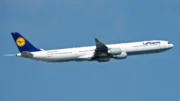
AviationNews – German flag carrier Lufthansa is in active negotiations with Boeing regarding the future of several early-built 777X airliners, as CEO Carsten Spohr expressed serious reservations about accepting older test airframes for commercial service.
Speaking during an analyst call, Spohr revealed that Lufthansa has joined its Middle Eastern counterpart Emirates in questioning whether early-built 777-9 aircraft can realistically meet modern operational standards. Lufthansa initially ordered 20 Boeing 777-9 widebody jets to replace its aging four-engine long-haul fleet, but years of certification delays have left multiple early production models sitting in storage. The German airline group is now determining which of these early-build aircraft to completely reject and which units might be acceptable if Boeing finances extensive retrofits.
The Boeing 777X program, designed as the world’s largest twin-engine jet featuring fuel-efficient GE9X engines and distinctive folding wingtips, has faced multi-year certification setbacks pushing major customer deliveries outward. Aircraft manufactured during the initial testing phase require substantial structural modifications, flight-control updates, and heavy maintenance checks before entering commercial passenger operations. For Lufthansa, taking on un-modernized airframes risks higher operating costs and weight penalties, prompting the group to seek financial compensation or altered delivery schedules from Boeing.
Addressing the ongoing talks with the American manufacturer, Lufthansa Group CEO Carsten Spohr stated, “We are holding discussions with Boeing regarding which of these aircraft we will not accept for commercial operations and which ones can be modernized, and then, of course, we would be prepared to take delivery of them with financial support from Boeing.”
To bridge the persistent capacity gaps left by 777X delays, Lufthansa has already altered its long-term fleet strategy by acquiring additional Airbus A350-900s and Boeing 787-9 Dreamliners. The outcome of these high-stakes negotiations will force Boeing to decide whether to fund costly re-work on early 777X units or risk losing key launch customers to rival aircraft options. Airline operators worldwide will closely monitor how Boeing handles these fleet commitments as certification milestones progress.
The ongoing standoff underscores the deepening financial and operational ripple effects caused by multi-year widebody certification delays. If Lufthansa and Boeing fail to reach a financial compromise, the German carrier could further reallocate its long-haul orders toward alternative widebody platforms. Ultimately, resolving these early-build aircraft disputes remains critical to restoring full market confidence in Boeing’s flagship long-haul program.