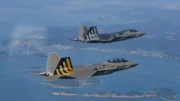
Aviation News – Introduction
Korea Aerospace Industries (KAI) is exploring new variants of its KF-21 Boramae fighter jet, a key next-generation project in South Korea’s defense industry. The move, announced in August 2025, aims to expand the jet’s versatility and strengthen export potential in the global fighter market.
Expanding South Korea’s Next-Gen Fighter Program
The KF-21 Boramae, first unveiled in 2021, is South Korea’s flagship advanced fighter program developed in partnership with Indonesia. Positioned as a 4.5-generation fighter with stealth features, the aircraft is designed to replace older fleets while offering a cost-effective alternative to fifth-generation fighters like the F-35.
KAI confirmed that studies are underway to develop multiple variants of the KF-21, potentially including a two-seat trainer, electronic warfare model, and specialized strike version. These upgrades would allow the Boramae to compete more effectively against rival platforms on the global stage.
Strategic Goals and Export Potential
South Korea has made major strides in defense exports in recent years, with the KF-21 seen as a critical driver of future growth. Analysts suggest that variant development will broaden its appeal to air forces seeking adaptable solutions without the high costs of stealth-exclusive aircraft.
The Boramae is already undergoing extensive testing, with full-scale production expected later this decade. By diversifying the lineup, KAI aims to secure more international customers while ensuring the fighter remains relevant for decades to come.
Regional and Global Implications
Military observers note that the development of new KF-21 variants aligns with South Korea’s broader ambition to position itself as a global defense exporter. As tensions in the Indo-Pacific persist, nations in the region may look to the Boramae as a modern yet affordable solution to bolster their air capabilities.
KAI’s strategy also reflects growing competition in the fighter market, where platforms from the United States, Europe, and China vie for dominance. Expanding the KF-21 family could give South Korea a significant advantage in carving out its niche.
Conclusion
The decision by KAI to explore new KF-21 Boramae variants highlights South Korea’s long-term commitment to innovation in military aviation. If successful, these efforts could cement the Boramae’s role as a cornerstone of both national defense and international defense cooperation.
Photo KAI