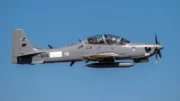
Aviation News – The Honduran government is evaluating the purchase of at least six Embraer A-29 Super Tucano light attack and surveillance aircraft to significantly upgrade the operational readiness of the Honduran Air Force. This strategic initiative aims to modernize the nation’s aging aerial fleet and strengthen regional defense frameworks.
The potential acquisition forms a major component of a comprehensive defense initiative designed to enhance the overall combat and reconnaissance performance of the national armed forces. Under this overarching modernization drive, authorities are also upgrading three existing T-27 Tucano aircraft, having recently taken delivery of the first refurbished turboprop. The historically deep defense relationship between the two parties dates back to May 1984, when Honduras made aviation history by becoming the very first international export client for the original Embraer T-27 platform.
This dual approach of integrating newly built aircraft while retrofitting older assets allows the military command to optimize its budget while rapidly updating its tactical footprint. The newly proposed A-29 Super Tucanos will gradually phase out the remaining legacy Cessna A-37B Dragonfly attack jets that have reached the end of their operational lifespans. By replacing these outdated sub-sonic jets with modern turboprops, the nation ensures a highly sustainable, cost-effective aviation architecture tailored for long-endurance missions.
According to statements regarding the ongoing armed forces program, the defensive upgrade marks a decisive step toward securing sovereign national boundaries and matching contemporary regional airspace security standards. Senior defense planners emphasize that the introduction of these versatile flight systems provides the air wing with the necessary multi-role flexibility to confront complex, modern asymmetrical threats.
The planned integration of these nimble combat platforms signals a long-term commitment to maintaining an affordable yet highly capable deterrent force in Central America. By standardizing its attack and training squadrons under a unified logistics and maintenance framework, the military will significantly reduce long-term operational costs. Moving forward, the acquisition will ensure the nation possesses the persistent air tracking and strike capabilities required to protect vulnerable transit corridors from illegal exploitation.