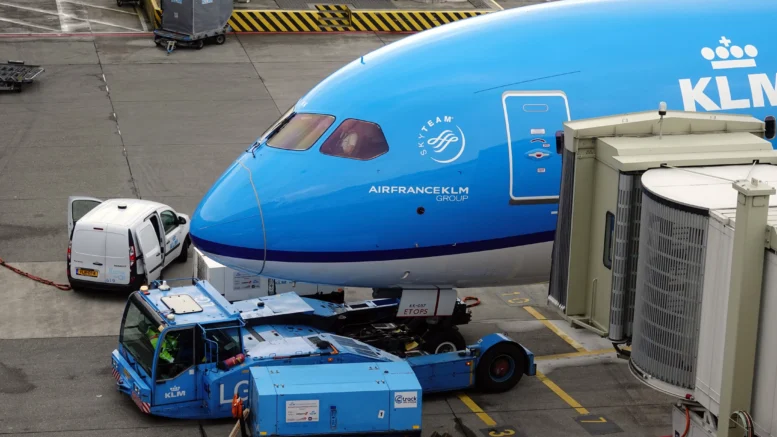
Aviation News – A KLM pilot reportedly ordered the removal of 1,000 kilograms of cargo to accommodate two family members on a flight from Amsterdam to Buenos Aires. The decision, made during the busy May holiday period, highlights a controversial practice regarding weight limits and staff travel perks.
The incident occurred on Saturday, April 18, when the aircraft was found to be too heavily laden to safely carry additional passengers. To circumvent this, the captain instructed ground crew to unload one ton of fish intended for export, allowing his relatives to board the flight. This maneuver resulted in a 45-minute delay for all passengers on board while the cargo was physically removed.
The family members were traveling on IPB tickets (If Place Becomes available), a benefit that allows KLM employees and their guests to fly at significantly reduced rates when seats are vacant. However, sources within the airline indicate that cargo is frequently offloaded to prioritize these last-minute staff travelers, even when the flight’s initial weight profile is at its maximum capacity.
From a technical standpoint, every aircraft has a maximum takeoff weight (MTOW) dictated by safety regulations and fuel requirements for long-haul routes like the journey to Argentina. By removing heavy freight, the pilot effectively rebalanced the payload distribution, trading commercial revenue-generating cargo for the additional weight of passengers and their luggage.
“The captain is the ultimate authority on board regarding safety and loading,” a representative noted during discussions on operational procedures, though the airline faces scrutiny over whether commercial interests should be sacrificed for personal staff benefits.
This event has sparked a wider debate about the ethics of priority boarding for staff versus the reliability of cargo operations. As airlines face increasing pressure to maximize efficiency, stricter oversight on pilot discretion regarding weight management may be implemented to prevent future disruptions to the supply chain.


