Aviation News – Qantas has confirmed updated Airbus A380 retirement plans, beginning the phase-out of its 10 superjumbo aircraft from mid-2028 to reduce rising operational and maintenance costs.
The Australian flag carrier originally developed its long-haul strategy around the massive quad-engine jet, which was designed by Airbus to challenge the long-standing market dominance of the Boeing 747. Capable of carrying up to 853 passengers across a full-length double deck, the superjumbo entered commercial service with pioneer operator Singapore Airlines in 2007. However, Airbus permanently ended production in 2021 after delivering 251 airframes, triggered by key customer Emirates scaling back its final order commitments.

Airbus A380-842 VH-OQJ Qantas
Out of the 251 delivered models, 196 aircraft currently remain in service as carriers navigate post-pandemic network demands. During the height of global travel restrictions, Qantas grounded its entire A380 fleet for over 500 days in California and Abu Dhabi storage facilities. Other international airlines—including Air France, China Southern Airlines, and Malaysia Airlines—have completely retired their superjumbos, while carriers such as Lufthansa, Thai Airways, and Qatar Airways have permanently downsized their fleets.
The shift away from the superjumbo stems from escalating maintenance expenses and high fuel burn across four engines, paired with the commercial challenge of consistently filling 500-plus passenger seats. Highly efficient twin-engine widebodies like the Airbus A350 and Boeing 787 Dreamliner drastically altered long-haul flight economics. Accelerating the phase-out allows Qantas to avoid heavy overhaul costs, unlocking approximately A$300 million ($215.34 million) in net cashflow benefit between fiscal 2028 and fiscal 2031.
“Phasing out the four-engine fleet allows us to avoid unsustainable legacy maintenance costs while maximizing operational flexibility,” noted an airline fleet operations strategist. “Transitioning long-haul capacity toward modern, fuel-efficient twin-engine platforms optimizes our balance sheet and aligns directly with current international travel economics.”
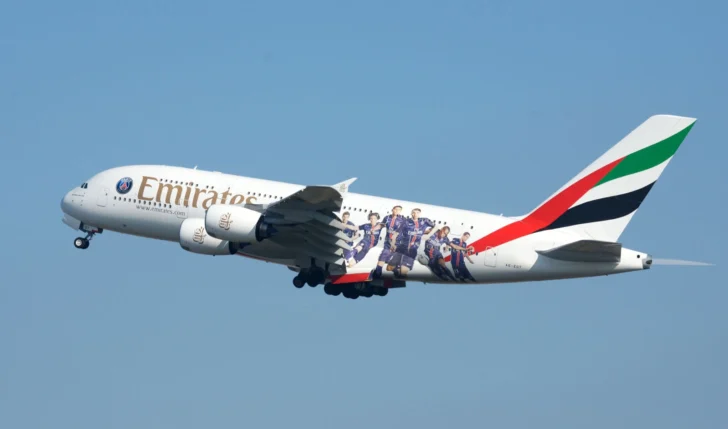
Airbus A380 A6-EOY Emirates
While Emirates plans to operate its massive fleet of 116 superjumbos into the 2040s, most remaining operators—including Singapore Airlines and British Airways—are projecting a complete shift toward next-generation twin-engine jets by the early 2030s. The sunset of the Qantas fleet marks another pivotal milestone in the retirement of the world’s largest passenger airliner from international skies.
A380 Retirements and Phase-Out Plans
-
Air France: Retired all 10 aircraft in 2020, accelerating its original 2022 timeline due to pandemic travel restrictions.
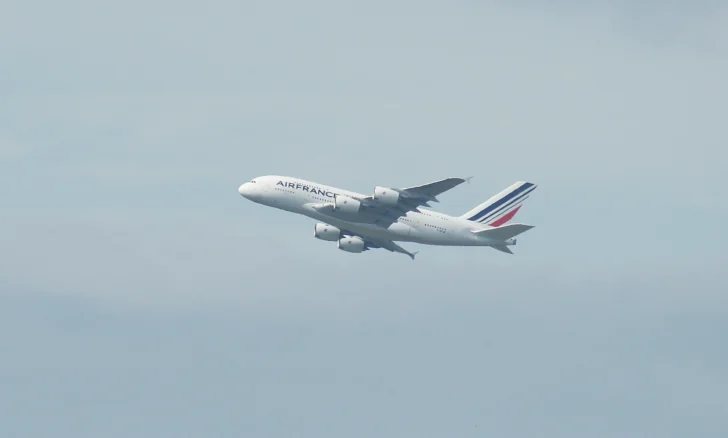
Airbus A380-861 F-HPJA Air France
-
China Southern Airlines: Retired its 5 aircraft in late 2022 after using them extensively through the pandemic.
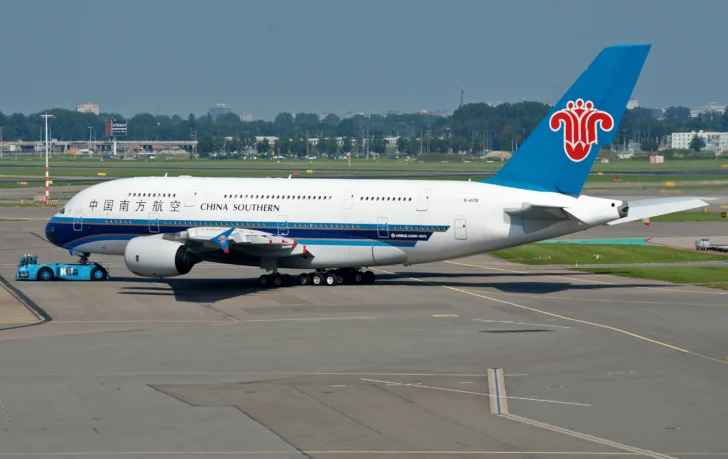
Airbus A380-841 B-6138 China Southern Airlines
-
Malaysia Airlines: Fully retired its 6 aircraft fleet in 2023.
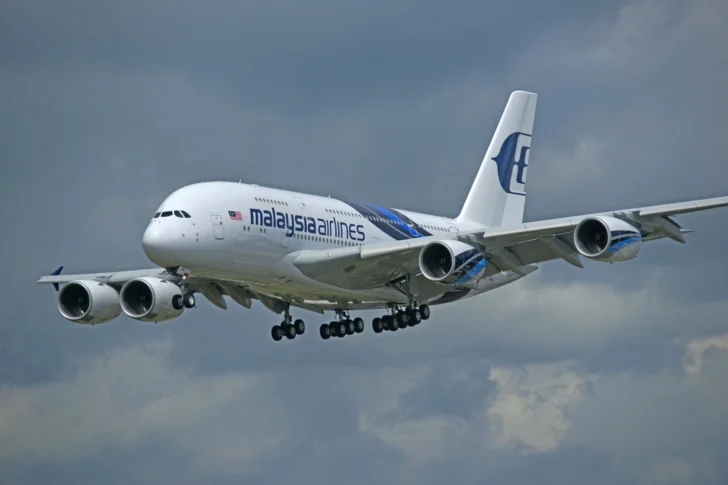
Airbus A380-841 9M-MNB Malaysia Airlines
-
Qantas: Phasing out its 10 aircraft starting mid-2028, unlocking roughly A$300M ($215.34M) in net cashflow through 2031 by avoiding heavy maintenance.
-
Fleet Downsizing: Thai Airways, Lufthansa, Korean Air, Singapore Airlines, and Qatar Airways have all permanently reduced their overall superjumbo fleet sizes.
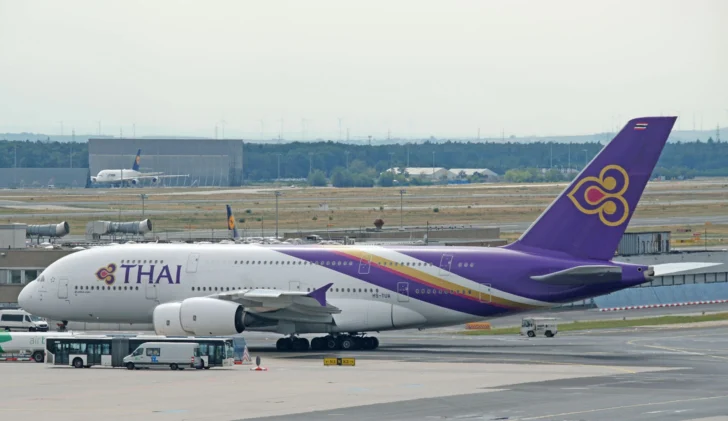
Airbus A380-841 HS-TUA Thai Airways International
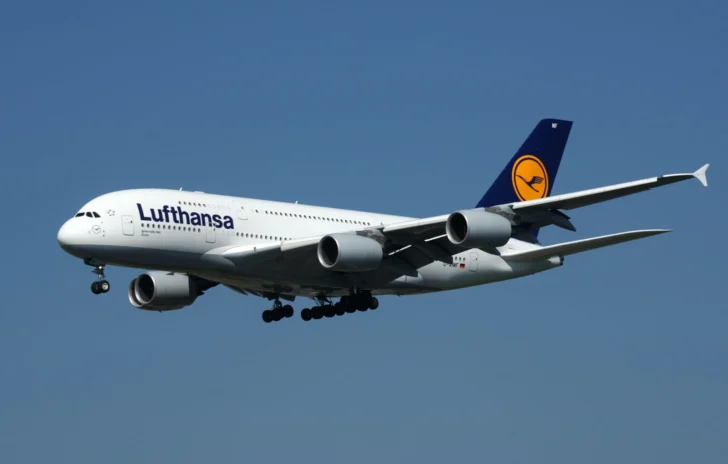
Airbus A380 D-AIMF Lufthansa
Current Airbus A380 Operators
-
Emirates: The dominant global operator with 116 aircraft (nearly 50% of total production), planning to fly the model into the 2040s.
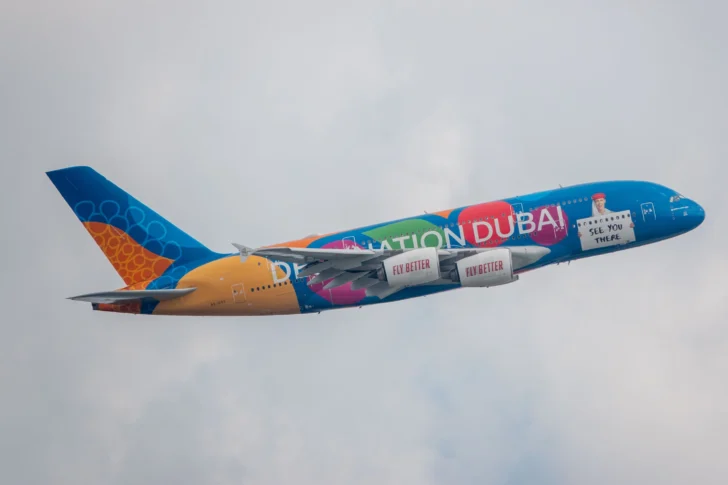
Airbus A380-861 A6-EOT Emirates
-
Singapore Airlines & British Airways: The top non-Emirates operators, each flying 12 aircraft.

Airbus A380-841 9V-SKP Singapore Airlines
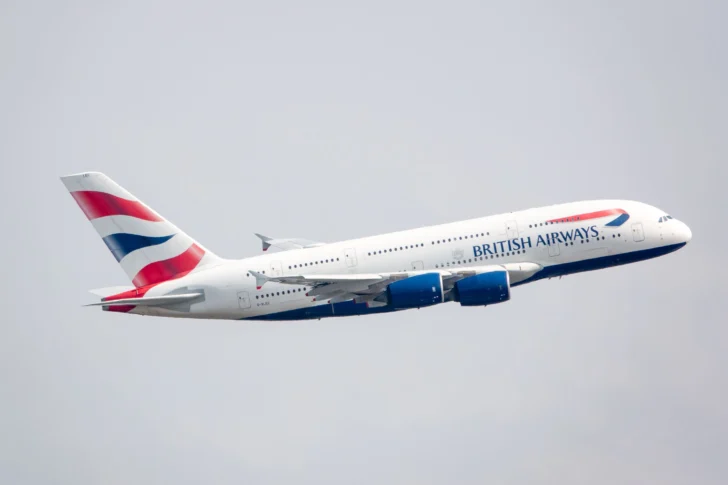
Airbus A380-841 G-XLEC British Airways
-
Lufthansa, Qatar Airways & Etihad Airways: Each maintain active fleets of 8 aircraft.

Airbus A380-861 A7-APJ Qatar Airways

Airbus A380-861 A6-APJ Etihad Airways
-
Other Active Operators: Korean Air, Asiana Airlines, and All Nippon Airways (ANA).
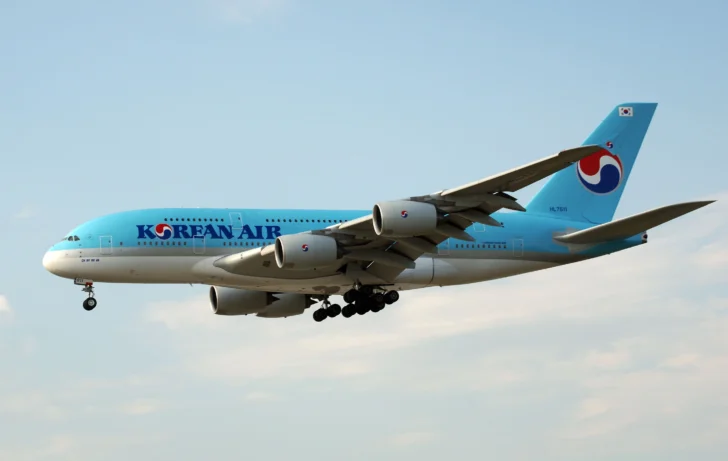
Airbus A380-861 HL7611 Korean Airlines

Airbus A380-841 JA381A All Nippon Airways (ANA)
Most secondary carriers expect to complete their full A380 phase-out strategies by the early 2030s.
Airbus A380 Prototypes
The Airbus A380 development programme began in the 1990s as Airbus sought to challenge Boeing’s dominance in the very-large-aircraft market. The first A380 prototype, MSN001, was assembled in Toulouse and rolled out on 18 January 2005. It made its maiden flight on 27 April 2005.
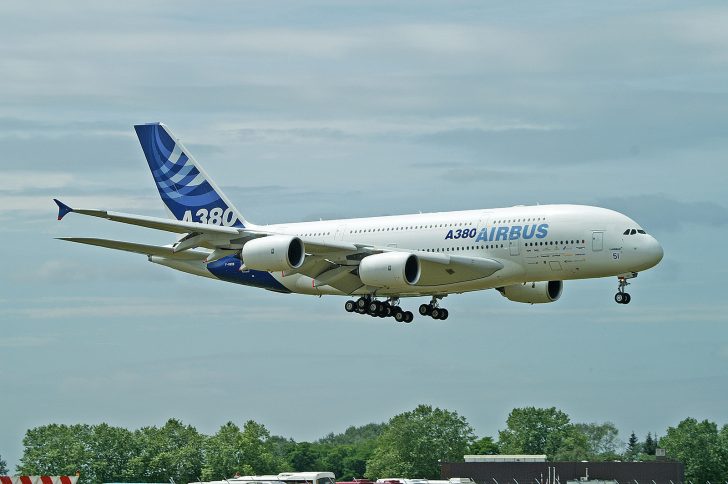
Airbus A380 prototype F-WOWW at her first landing at the Paris Airshow in 2005
Five A380 test aircraft were built for the flight-test and certification programme. They were used to evaluate the aircraft’s engines, aerodynamics, systems, handling and structural performance. The prototypes also underwent extensive ground and flight testing, including hot- and cold-weather trials and airport compatibility tests.
The A380 received European and U.S. certification in December 2006, with the first customer aircraft delivered to Singapore Airlines in October 2007. Several prototype aircraft were later preserved by museums or used for other purposes after completing their testing careers.
Airbus A380 Production
Production of the Airbus A380 began in the early 2000s, with major components manufactured at different Airbus facilities across Europe and assembled at the final assembly line in Toulouse, France. The first A380 was rolled out in January 2005 and made its maiden flight on 27 April 2005.

Airbus A380-861 F-WWSG British Airways
A total of 251 A380s were produced between 2005 and 2021. The aircraft was built in relatively small numbers because of its enormous size, high operating costs and the aviation industry’s shift toward smaller, more fuel-efficient twin-engine aircraft.
The final A380, an A380-800 for Emirates, was completed in December 2021 and delivered in the same month. The last delivery marked the end of production of the world’s largest passenger airliner.
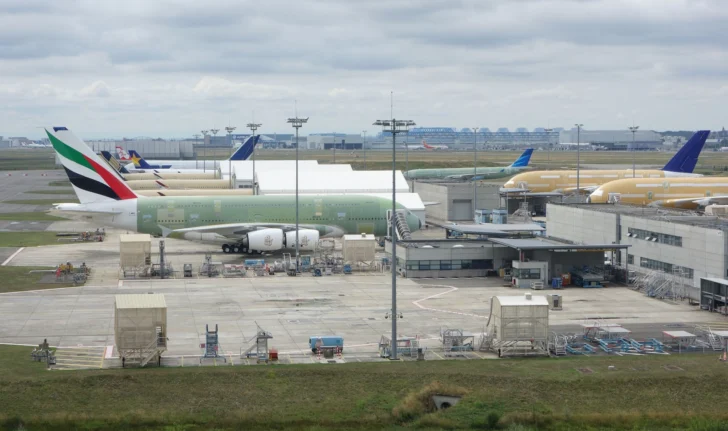
Airbus A380-861 F-WWSX Emirates
A380 production facts:
- Manufacturer: Airbus
- Final assembly: Toulouse, France
- Production: 2005–2021
- Total built: 251
- First flight: 27 April 2005
- Final delivery: 16 December 2021
- Largest customer: Emirates
- Main variant: A380-800
Airbus A380 – Skymark Airlines
Skymark Airlines placed an order for six Airbus A380-800s in 2010, becoming the first Japanese airline to order the superjumbo. The aircraft were intended for long-haul services from Tokyo Narita, particularly to destinations such as New York and London.
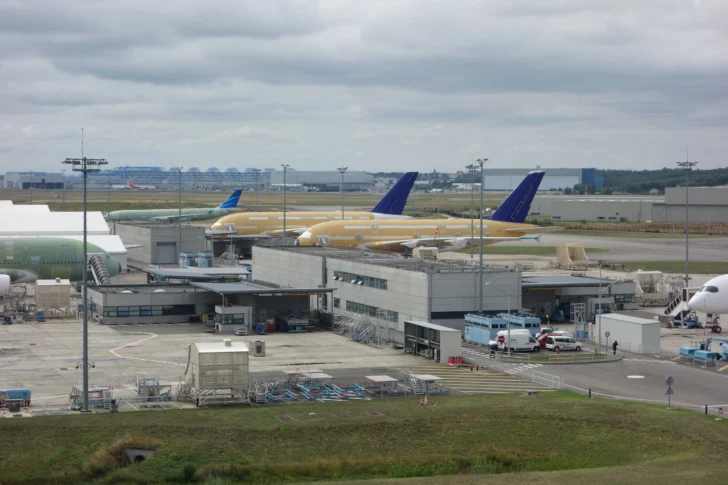
Airbus A380-841 F-WWSN (Msn 167) and F-WWSL (Msn 162) Skymark Airlines
Airbus began producing the aircraft for Skymark, and the first two were painted in Skymark’s distinctive blue-and-white livery. However, financial difficulties at the airline led to a dispute with Airbus in 2014, and Skymark ultimately cancelled the A380 order.
The aircraft originally intended for Skymark were subsequently offered to other airlines. ANA (All Nippon Airways) eventually acquired three of the aircraft, which were repainted in ANA’s distinctive Flying Honu liveries and entered service from 2019.
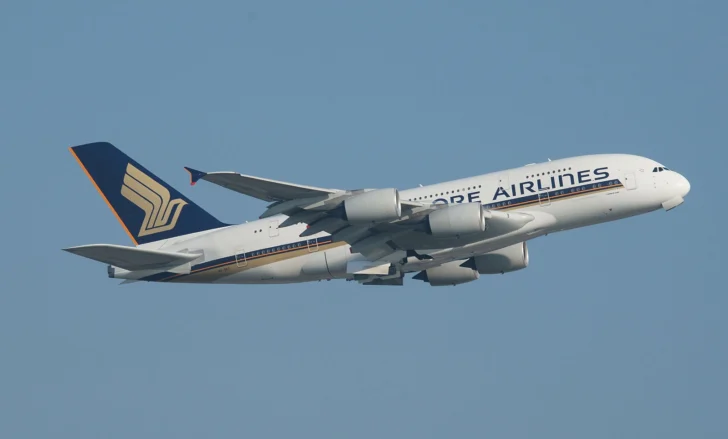
Airbus A380-841 9V-SKT Singapore Airlines
Photos Rob Vogelaar