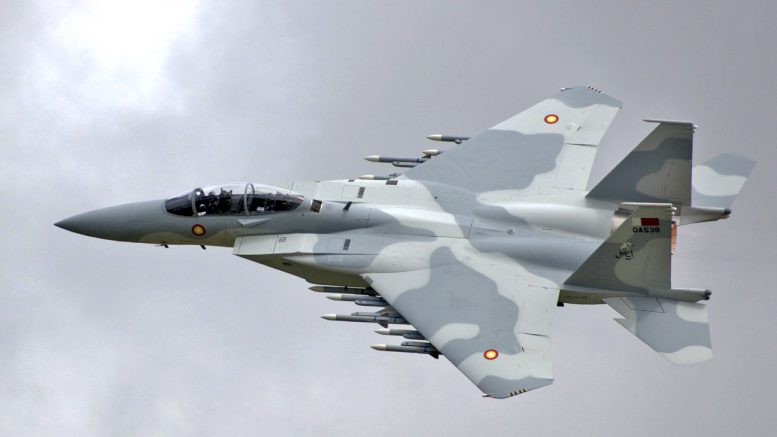
Aviation News – Farnborough Airshow Opens Amid Defense Boom and Aircraft Supply Bottlenecks
The Farnborough International Airshow officially opened today as commercial aerospace titans Boeing and Airbus compete for major aircraft commitments alongside defense contractors vying for expanding military budgets. Driven by escalating global conflicts in Ukraine and the Middle East, the landmark event highlights a shifting industry landscape balancing high defense demand with severe production constraints.
The biennial gathering brings together world leaders, military delegations, and commercial airline executives in Hampshire, England. Surging regional security concerns have prompted governments worldwide to bolster defense spending, thrusting military hardware, autonomous platforms, and surveillance systems directly into the spotlight. Simultaneously, commercial planemakers are working to secure multi-billion-dollar deals with international carriers and aircraft leasing firms seeking fleet renewal.
However, industry sources indicate that total order numbers will fall well short of optimistic pre-show analyst projections of 800 or more aircraft. Severe supply-chain disruptions, raw material shortages, and component lead times continue to restrict manufacturing capacity across key assembly plants. As a result, both airlines and manufacturers are redirecting their primary focus toward fulfilling existing order backlogs rather than chasing record-breaking deal tallies.
From an operational standpoint, resolving component shortages in engine manufacturing, specialized castings, and avionics remains the industry’s single highest priority. Production output depends entirely on synchronized international supply chains, where a failure in single-tier parts delivery can stall entire final assembly lines. On the military side, operational relevance is pivoting rapidly toward artificial intelligence integration, uncrewed aerial systems, and rapid-deployment defense infrastructure.
Reflecting the current operational environment, a senior industry executive noted, “Winning new commercial orders remains essential, but our immediate imperative must be stabilizing supply chain networks and delivering existing backlogs to meet global demand.”
Looking forward, aerospace leadership will depend on how effectively companies resolve structural manufacturing bottlenecks while accelerating defense innovation. Manufacturers must invest heavily in supply-chain resilience, digital production tools, and sustainable aviation tech to overcome lingering delivery delays. Airline operators and defense procurement agencies should establish long-term strategic partnerships now to secure vital delivery slots and ensure operational readiness.
The Farnborough Airshow highlights a transformative moment as global defense priorities rise alongside commercial aviation demands. Persistent supply chain constraints will continue to test the production capabilities of major planemakers over the coming years. Companies that successfully streamline manufacturing operations while adopting next-generation defense technologies will define the future of global aerospace.