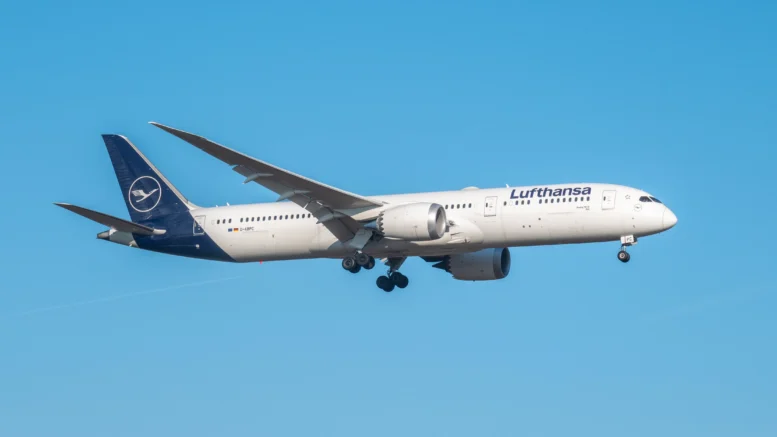
Aviation News – Boeing, Lufthansa, and Rolls-Royce have joined forces to launch an advanced series of flight tests aimed at significantly improving aircraft fuel efficiency and reducing environmental noise. This collaborative initiative brings together major industry leaders to validate next-generation aviation technologies under real-world operating conditions.
The partnership unites a leading aerospace manufacturer, a major international airline, and a top-tier engine builder to tackle pressing sustainability challenges. By combining their technical expertise, the companies seek to accelerate the development of solutions that lower carbon emissions and minimize the acoustic footprint of commercial aviation.
The upcoming flight test program will utilize dedicated testbeds to evaluate how these innovations perform during active operations. This joint effort reflects an industry-wide commitment to engineering cleaner, quieter flight systems that align with modern environmental regulations and community expectations.
At the core of the technical evaluation is the Next Generation Inlet, a reduced-length engine inlet demonstrator featuring advanced acoustic treatments designed to minimize weight and aerodynamic drag while integrating highly efficient engines. Additionally, the tests will evaluate Intelligent Operations flight paths—algorithmically generated departure and arrival procedures that use diverse data streams to optimize flight trajectories and lower community noise near airports.
“Collaborating with industry pioneers allows us to fast-track technologies that directly address the dual challenges of noise reduction and fuel savings,” stated a representative for the joint program. “These flight tests represent a vital step toward creating a more sustainable and community-friendly future for global aviation.”
The successful validation of these technologies could redefine standard engineering practices for future aircraft platforms and airport traffic management. As the aviation sector strives toward net-zero targets, implementing optimized aerodynamics and algorithmic flight path planning will become essential components of modern fleet strategies.
This collaborative flight testing initiative marks a major milestone in the pursuit of eco-efficient commercial aviation. By proving the viability of advanced inlets and smart operational procedures, the partners are laying the groundwork for quieter, greener skies. The insights gained from these tests will directly influence the design and operation of the next generation of airliners.
