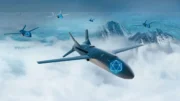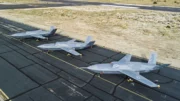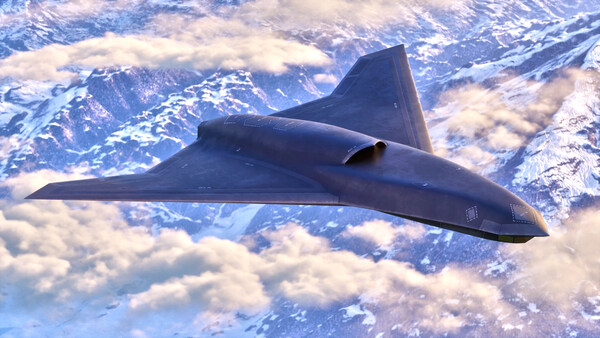
Aviation News – The Department of the Air Force (DAF) and the Netherlands Ministry of Defence have officially signed an agreement to acquire and develop prototype Collaborative Combat Aircraft (CCA). This partnership aims to introduce affordable mass and advanced autonomous capabilities to the battlefield, ensuring both nations can deter and defeat modern adversaries through shared technology.
As a key international partner, the Netherlands will now play a central role in the CCA program, a cornerstone of the U.S. strategy to enhance interoperability and strengthen global alliances. This collaboration focuses on creating platform-agnostic systems and open architecture frameworks that allow different military branches and nations to share data seamlessly. The agreement marks a significant acceleration in the development of autonomous flight technologies designed for high-end combat environments.
The integration process will see the Netherlands contributing to the program through the Experimental Operations Unit (EOU), located at Nellis Air Force Base in Nevada. By embedding personnel and resources within the EOU, the Dutch military will gain hands-on experience with the prototypes alongside their American counterparts. This joint effort is designed to refine concepts of operations and ensure that autonomous systems are ready for real-world deployment.
Technically, the CCA program centers on human-machine teaming, where autonomous “loyal wingman” drones support piloted fighter jets. These aircraft utilize mission autonomy to perform complex tasks, such as electronic warfare or surveillance, while maintaining a tight feedback loop with human operators. This experimental approach allows for continuous software and hardware updates, ensuring the aircraft remain effective against evolving threats in realistic scenarios.
“The future fight will be fought with allies and partners,” said Secretary of the Air Force Troy Meink. “By aligning our approaches early, we ensure interoperability and shared advantage in the era of human-machine teaming.”
This partnership sets a precedent for how the U.S. will engage with international allies to build the next generation of airpower. As more nations look to incorporate unmanned systems into their fleets, the CCA program will likely expand, creating a standardized network of autonomous assets across NATO. The focus now shifts to the EOU in Nevada, where the success of these prototypes will determine the future structure of combined air operations.
The collaboration between the United States and the Netherlands represents a major leap forward in autonomous defense. By prioritizing open architecture, both nations are ensuring that their forces stay connected and capable in an increasingly digital battlespace. This move not only bolsters transatlantic security but also paves the way for a new era of robotic wingmen in the skies.