Aviation News – Peru’s interim government has delayed the acquisition of F-16 aircraft from the United States, sparking the immediate resignations of the nation’s Defense and Foreign Ministers. The decision marks a significant shift in the country’s immediate defense procurement strategy as the current administration nears its end.
Defense Minister Carlos Diaz and Foreign Minister Hugo de Zela stepped down on Wednesday following President Jose Balcazar’s announcement. The move effectively halts negotiations for the Lockheed Martin jets, which were intended to modernize the Peruvian Air Force fleet. Balcazar, whose interim term concludes this July, defended the delay by stating that a multi-billion dollar commitment of this magnitude should be managed by the incoming elected government.
The timing of these resignations suggests a deep internal rift regarding national security priorities and international relations. While the military sought to upgrade its aging interceptor capabilities, the executive branch opted for fiscal caution during the political transition. This postponement leaves the aerospace modernization program in a state of limbo, forcing the next administration to re-evaluate the deal’s strategic value and financial feasibility.
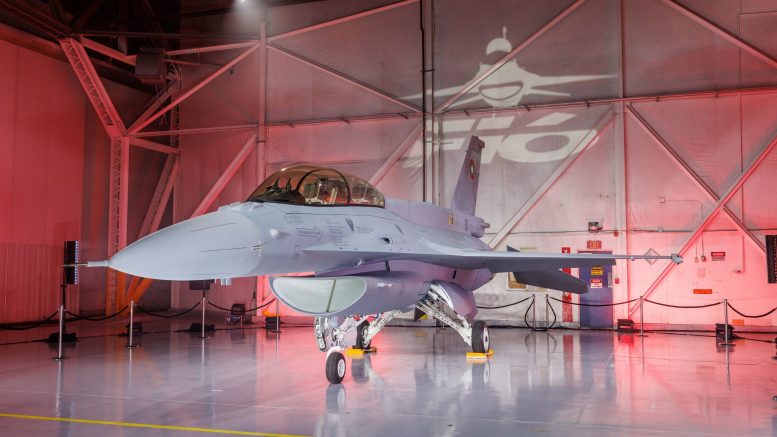
The F-16 Fighting Falcon serves as a multi-role supersonic fighter, providing advanced air-to-air combat and precision strike capabilities. Integrating these jets would have significantly boosted Peru’s regional deterrence and operational interoperability with allied nations. Without this upgrade, the current fleet must continue to rely on older platforms, potentially impacting airspace sovereignty and maintenance costs in the long term.
“The modernization of our defense assets is not merely a purchase but a pillar of territorial integrity that requires consistent political will,” noted a senior official regarding the strategic importance of the fighter jet program.
The future of the deal now rests with the candidates of the upcoming election, who will decide if the United States remains the primary partner for Peru’s air defense. This delay could invite competing bids from international manufacturers looking to capitalize on the diplomatic opening.
The decision to stall the F-16 acquisition has created a political vacuum in the nation’s defense leadership. By deferring the choice to the next administration, President Balcazar has prioritized budgetary flexibility over immediate military expansion. The incoming government will face the urgent task of rebuilding the defense cabinet while determining the trajectory of Peru’s aviation future.