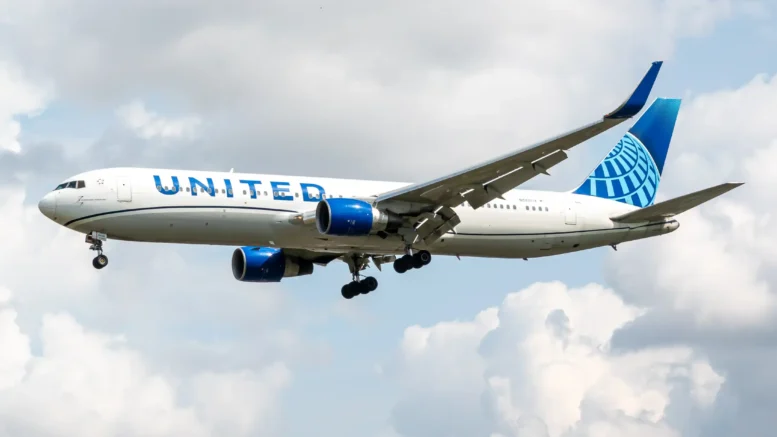
Aviation News – United Airlines is proactively cutting a series of unprofitable flights over the next six months to counter a massive spike in jet fuel costs triggered by the ongoing conflict in Iran. Despite a resilient surge in traveler demand, the carrier is restructuring its schedule to safeguard its financial stability against volatile energy markets.
The strategy follows a warning from Chief Executive Scott Kirby, who issued a staff memo on Friday detailing the airline’s defensive posture. The company is bracing for crude oil to potentially reach $175 a barrel and remain above the $100 threshold until late 2027. This geopolitical instability has effectively doubled jet fuel prices since February, creating a secondary “fuel shock” for an industry still navigating post-pandemic recovery.
Beyond the raw cost of fuel, the war has forced significant disruptions to global flying patterns. United and its competitors are navigating complex airspace restrictions and mandatory reroutings, which further increase fuel burn and operational complexity. While these logistical hurdles mount, U.S. carriers have managed to pass some costs to consumers through fare increases, aided by a limited supply of available seats across the sector.
Technically, these route cancellations focus on high-burn, low-yield trajectories where operating margins have been erased by the new pricing reality. By tightening capacity now, United aims to optimize its fleet utilization and reduce its exposure to a projected $11 billion increase in its annual fuel bill—a figure that represents more than double the profit earned in the airline’s most successful historical year.
“There’s a good chance it won’t be that bad,” Kirby wrote regarding the airline’s aggressive fuel assumptions. “But there isn’t much downside for us to preparing for that outcome.”
The move signals a shift toward fiscal conservatism within the aviation industry as executives prioritize long-term viability over aggressive expansion. Travelers should expect continued upward pressure on ticket prices and a more consolidated selection of international flight paths as the industry adapts to the prolonged energy crisis.
United’s decisive pivot reflects the broader trend of aviation agility in the face of geopolitical turmoil. While the airline remains optimistic about consumer demand, its primary focus has shifted to mitigating the risks of a sustained high-cost environment. This strategic contraction ensures that the carrier remains robust even if energy prices remain elevated through the end of the decade.