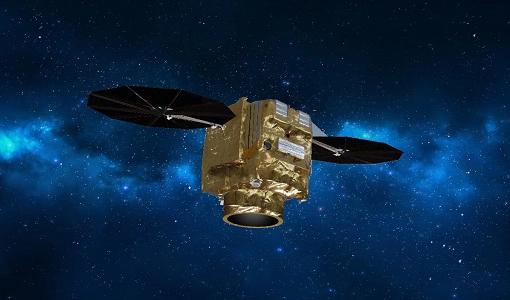
AviationNews – Airbus has officially selected the Vega C rocket, manufactured by Avio, to propel the first satellite of its advanced Pléiades Neo Next constellation into orbit. This strategic partnership ensures that Europe maintains its technological sovereignty in the critical field of ultra-high-resolution Earth observation.
The announcement, confirmed on January 27, 2026, solidifies the launch timeline with a scheduled liftoff from the Guiana Space Centre in Kourou, French Guiana, in early 2028. This selection comes as part of a broader European effort to utilize domestic launch capabilities for flagship space programs. The Pléiades Neo Next program is designed to succeed the current Pléiades Neo constellation, offering even greater precision and revisit rates for both government and commercial intelligence.
Technically, the Vega C launcher provides the necessary performance to place these sophisticated optical satellites into Sun-synchronous orbits. The rocket’s increased payload capacity and versatility allow for the precise deployment of the satellite’s complex imaging sensors, which are capable of capturing ground details with unprecedented clarity. By utilizing a European launcher, Airbus minimizes logistical complexities and secures a reliable path to space for its most sensitive aerospace assets.
“Choosing the Vega C for our most ambitious Earth observation project to date underscores our commitment to European excellence,” a spokesperson for Airbus Defence and Space stated. “This mission is vital for providing our global customers with the high-resolution imagery they need to make informed decisions on a rapidly changing planet.”
Looking ahead, the success of this mission will be a litmus test for the reliability of Europe’s medium-lift launch sector. As the demand for geospatial data continues to skyrocket, the integration of Pléiades Neo Next will likely set a new industry standard for orbital monitoring. Stakeholders and industry observers will be watching the Kourou launch pad closely in 2028 as this new era of European space autonomy begins.
This partnership between Airbus and Avio represents a major step forward for the continent’s independent space strategy. If the 2028 launch succeeds, it will cement the Pléiades Neo Next system as a leader in global Earth observation for the next decade.