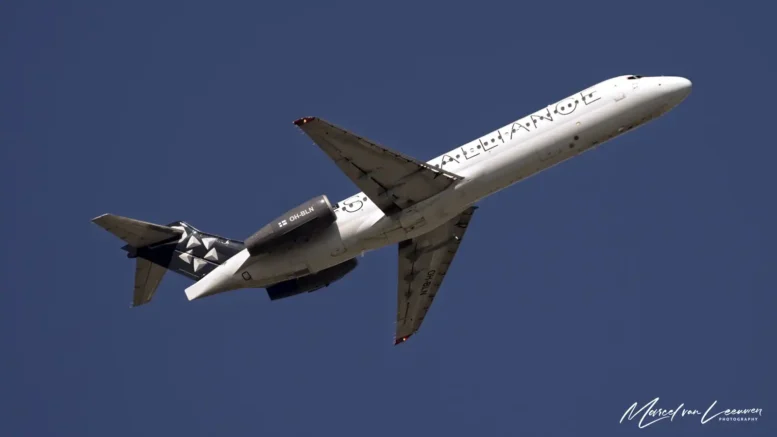
AviationNews – A recently issued Airworthiness Directive (AD) is forcing deeper maintenance checks on the Boeing 717 aircraft, prompting concerns that the cost and time involved could hasten the type’s withdrawal from service by major operators like Delta Air Lines and Hawaiian Airlines.
The AD, released by aviation regulators, targets a critical area of the aircraft’s wing structure, mandating additional, complex, and potentially costly inspections for fatigue damage or corrosion. The directive stems from recent findings suggesting potential long-term structural integrity issues, particularly in older airframes that have accumulated a significant number of flight cycles, which form the bulk of the remaining global 717 fleet.
Operationally, the directive requires operators to pull aircraft out of scheduled service for detailed, non-destructive testing procedures, impacting fleet availability. For aging aircraft like the 717, which first flew in 1998, the high cost of compliance and the prolonged grounding time needed for the intensive inspections can often outweigh the cost of replacing the jet with a newer, more fuel-efficient model, significantly lowering its residual value.
A spokesperson for an industry analysis firm, who wished to remain anonymous due to client sensitivities, stated, “When an AD demands this level of structural inspection on an out-of-production aircraft, it often serves as the economic tipping point. Operators must weigh the massive MRO expense against the return-to-service date. It makes the retirement decision much easier to justify.”
The future now looks increasingly uncertain for the Boeing 717, primarily used by Delta and Hawaiian for short-haul, high-frequency routes. While safety remains paramount, the economic reality means these airlines will likely accelerate their fleet modernization plans, favoring modern replacements like the Airbus A220 or Boeing 737 MAX series over committing resources to prolonging the 717’s operational life.
Ultimately, this safety mandate underscores the persistent challenges of maintaining older aircraft, where regulatory compliance can quickly become prohibitively expensive. The new AD is an economic catalyst that will likely see the Boeing 717 join the list of classic jetliners retired ahead of schedule, marking another step in the industry’s shift toward newer, cost-efficient technology.


