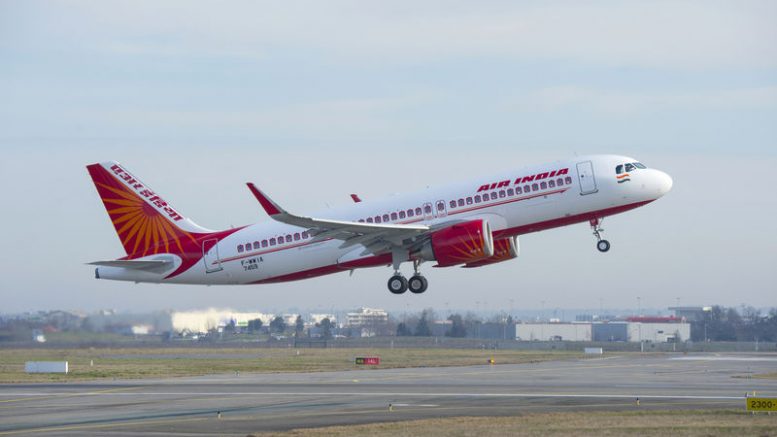
On Monday, July 21, 2025, an Air India Airbus A320neo—flight AI2744 from Kochi—experienced a tense moment while landing at Mumbai’s Chhatrapati Shivaji Maharaj International Airport. As heavy rain lashed the runway, the aircraft veered off the paved surface, briefly exiting onto a grassy patch before safely taxiing to the gate.
How It Happened
A sudden deluge, with intense rain rates and crosswinds, left Runway 27 soaking wet. The A320neo touched down around 09:27 AM, but the slippery conditions caused it to skid some 17 meters off the edge before ending up on a taxiway.
Damage and Response
Fortunately, none of the 150 passengers or crew were hurt. But the plane wasn’t unscathed: three tyres burst, and the engine casing sustained damage from runway debris. Mumbai Airport officials reported “minor damage” to the primary runway, prompting its temporary closure while it underwent quick repairs.
To keep flights moving, operations shifted to the secondary runway, minimizing disruption despite the busy monsoon season.
What Comes Next?
- Aircraft checks are ongoing. The A320neo (registration VT‑TYA) has been grounded for a full technical inspection.
- DGCA steps in. India’s civil aviation regulator is reviewing weather data, runway friction reports, and pilot protocols.
- Operational review ahead. Mumbai’s heavy rains—115 mm in some areas—highlight the need for stricter wet‑weather landing procedures.
The Big Picture
Runway excursions are among the most common types of landing incidents—especially in wet conditions. This event, while serious, ended without injuries thanks to the quick action of pilots and ground staff. Still, it underscores the importance of enhanced safety measures during the monsoon—both in pilot training and airport runway maintenance.

