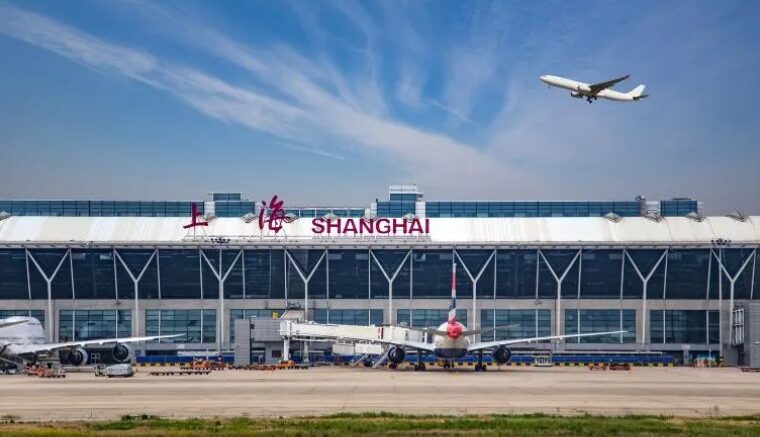
AviationNews – Five premier Chinese airlines collectively canceled 17 flights and delayed 104 others at Shanghai Pudong International Airport due to pressing operational bottlenecks and capacity management issues. This unexpected disruption at one of Asia’s most critical aviation hubs has triggered severe logistical turmoil across vital intercontinental travel and cargo corridors.
The synchronized disruptions involved industry giants including Hainan Airlines and China Eastern, which struggled to maintain scheduled services amid mounting hub constraints. The coordinated operational adjustments took effect during a period of intense pressure on local airspace, exposing vulnerabilities in terminal capacity management. As one of the primary international gateways in the region, the sudden shift in flight statuses immediately impacted multi-destination flight paths and backlogged passenger connections.
To mitigate the localized gridlock, terminal operators and dispatch teams had to implement dynamic traffic flow adjustments and rerouting protocols. Effective capacity management dictates how many aircraft can safely navigate arrival sectors and utilize ground gates within specific time blocks, making sudden cancellations a necessary but painful tool to prevent complete network paralysis. Consequently, these structural adjustments forced carriers to reallocate crew assets and modify aircraft rotations to protect downstream schedules.
“Maintaining global connectivity requires a delicate balance between maximum throughput and absolute operational safety,” stated an industry analyst specializing in Asian logistical corridors. “When key hubs experience structural bottlenecks, carriers must act decisively to stabilize their broader networks, even if it results in temporary local cancellations.”
Looking ahead, aviation regulators and hub coordinators must accelerate infrastructure optimizations and digital sequencing tools to prevent repetitive system overloads. As transcontinental travel demand continues to rise, the ability to absorb sudden volume spikes without compromising punctuality will remain a critical metric for the region’s premier hubs.
Shanghai Pudong International Airport faces ongoing logistical challenges following massive delays and cancellations by five leading Chinese carriers. The operational disruptions underscore the urgent need for enhanced capacity management protocols to protect intercontinental transit routes. Moving forward, the aviation sector must prioritize structural upgrades to handle the rising demands of global travel networks.