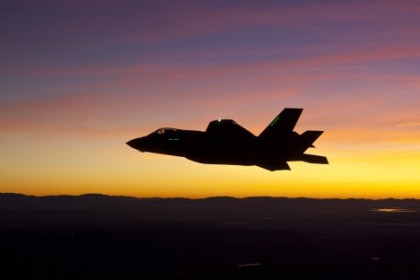
Germany is set to add a new layer of teeth to its future air combat capabilities. The U.S. State Department has cleared a potential Foreign Military Sale (FMS) to Berlin of up to 400 AIM-120D-3 Advanced Medium-Range Air-to-Air Missiles (AMRAAMs) and related support equipment. The total package is valued at around $1.23 billion and now awaits final contract arrangements.
What’s in the package?
The German request covers:
- Up to 400 AIM-120D-3 missiles
- 12 guidance sections with advanced anti-jamming features (either SAASM or M-Code)
- 1 integrated test vehicle for evaluation and training
- A broad list of supporting gear including telemetry kits, encryption devices (KGV-135A), training packages, spare parts, maintenance tools, software, and documentation
The deal also provides for U.S. and contractor technical support, though it will not require American personnel to be permanently stationed in Germany.
Why Germany wants the AIM-120D-3
Germany is buying the F-35A Lightning II, with deliveries planned later this decade, and the D-3 variant of AMRAAM is the primary beyond-visual-range (BVR) weapon designed for the jet’s stealth and mission systems. While German Eurofighter Typhoons already carry the Meteor missile, the AMRAAM is the natural fit for F-35s, ensuring interoperability with NATO allies who also operate the jet.
This isn’t just about missiles — it’s about integrating Germany’s airpower into a wider NATO playbook. In coalition air missions, standardized weapons and datalinks simplify logistics, training, and joint operations.
AIM-120D-3: the next step in AMRAAM evolution
The AMRAAM series has been the Western world’s standard BVR missile since the 1990s. The D-3 is the latest upgrade, built around Raytheon’s F3R (Form, Fit, Function Refresh) program:
- Improved electronics and processors for longer life and easier upgrades
- Two-way datalink to receive mid-course updates from the launch aircraft or other platforms
- GPS-aided navigation for higher accuracy
- Extended “no-escape zone”, meaning enemy aircraft have a smaller chance of dodging once the missile is launched
Exact performance numbers remain classified, but analysts say the D-series has a significantly longer range and higher kill probability compared to earlier C-model AMRAAMs.
Strategic impact
According to the U.S. Defense Security Cooperation Agency (DSCA), the deal supports “U.S. foreign policy and national security by strengthening the defense of a NATO ally.” The sale won’t alter the regional balance of power, but it will help Germany counter evolving threats, particularly in the contested skies of Europe.
In practice, this acquisition makes Germany’s upcoming F-35 fleet combat-ready from day one. It also complements the Meteor-equipped Eurofighter force, creating a layered arsenal of air-to-air options.
Who builds it?
The principal contractor is RTX Corporation (Raytheon Technologies), headquartered in Arlington, Virginia. RTX has produced over 5,000 AMRAAMs worldwide, with more than 40 nations operating the missile. Germany is set to become one of the largest European buyers of the D-3 variant.
The bottom line
Germany’s purchase of the AIM-120D-3 is not about shifting the balance of power overnight. It’s a pragmatic move to integrate its future F-35 fleet with NATO-standard weapons, ensuring both interoperability and cutting-edge air combat capability. When these missiles start arriving, German pilots will have one of the most advanced “fire-and-forget” air-to-air weapons at their disposal — a critical edge in modern aerial warfare.