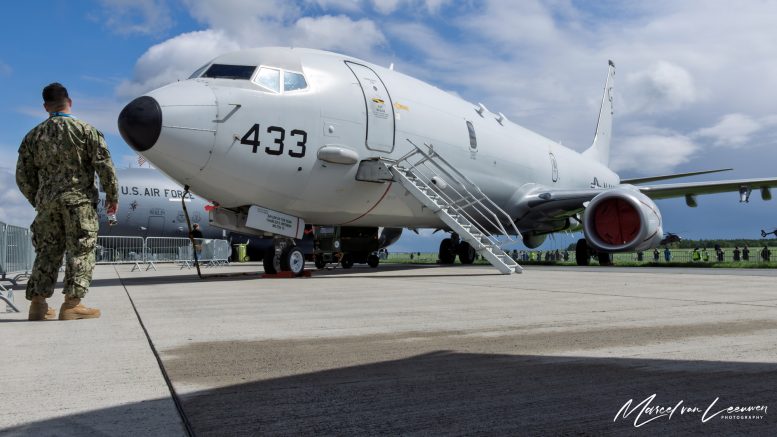
In a plot twist worthy of geopolitical drama, India has hit the brakes on its plan to buy six more Boeing P-8I Poseidon maritime patrol aircraft after U.S. tariffs added a staggering 50% to the price tag.
Originally greenlit in 2021 for about $2.42 billion, the deal was smart, strategic, and essential for maritime defense. But following the Trump administration’s tariffs—25% imposed in early August, swiftly followed by another 25%—combined with inflation and supply chain hiccups, the price ballooned to approximately $3.6 billion. That level of inflation forced India’s Ministry of Defence to pause the deal and launch a strategic reassessment rather than just shrug it off.
India’s Navy already operates 12 P-8Is, inducted between 2009 and 2021 (8 jets in the 2009 deal for $2.2 billion, and 4 more in 2016 for just over $1 billion). The goal has long been to push toward a fleet of 18 aircraft to cover the sprawling Indian Ocean and counter increasing Chinese naval activity. These high-tech planes — bristling with sonobuoys, torpedoes, Harpoon missiles, and sensors like the APY-10 radar, OceanEye aft radar, and MAD—are mission-critical.
Unsurprisingly, the tariff shock triggered some serious diplomatic unease. While India continues to affirm that defense choices will be rooted in strategic priorities, not economic coercion, this pause sends a loud message: inflated costs and tight budgets can derail even the most vital procurements.
Expect a reassessment of alternatives, including a growing emphasis on India’s “Make in India” and Atmanirbhar Bharat self-reliance drive. A new wave of indigenous defense capabilities—particularly in drones, missiles, and surveillance systems—could partly fill the gap if the deal falls through


