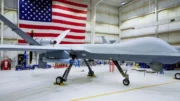
Germany is going all-in on AI-powered defense, and one startup is leading the charge. Say hello to Helsing, the Munich-based tech company that’s gone from unknown to Europe’s defense darling—now valued at €12 billion and backed by a massive €600 million in funding.
This isn’t your average drone developer. Helsing is building the future of warfighting, and it sounds like something out of a sci-fi movie:
- AI pilot systems for fighter jets
- Autonomous strike drones like the new HX‑2
- And even “drone walls”—barriers made of AI-controlled flying machines designed to spot, confuse, or stop incoming threats from hostile nations like Russia.
What’s a Drone Wall, Anyway?
Think of a swarm of smart drones flying in tight formation, using sensors, AI, and communications to protect a region like a digital force field. That’s Helsing’s vision—creating mobile, intelligent air defenses that can track and counter enemy aircraft, missiles, or other drones before they ever reach their target.
It’s part of a broader push to rethink defense for the modern, tech-driven battlefield, where speed, data, and autonomy are just as important as firepower.
Robot Pilots Are (Almost) Here
One of Helsing’s headline projects is AI pilot software that can guide fighter jets through complex missions—think of it as a digital co-pilot or, in some cases, a completely unmanned aircraft commander. These systems can react faster than any human, analyze threats in real-time, and coordinate with other systems in the air or on the ground.
Submarine Drones Next?
Not stopping at the skies, Helsing is now expanding into the sea. The company is setting up a new underwater drone factory in the UK, aimed at producing autonomous submarine drones to monitor, patrol, or defend coastal areas. This could be huge for NATO operations in the North Sea, the Arctic, and beyond.
Why It Matters for Europe
For years, Europe has depended on U.S. and Israeli defense tech for cutting-edge capabilities. But with Helsing rising fast, Europe is starting to build its own future, powered by homegrown innovation and AI sovereignty.
It’s a big step toward making sure Europe isn’t left behind in the next era of warfare—where decisions are made in milliseconds and machines may lead the charge.
Bottom Line
Helsing is reshaping the battlefield with brainpower, not just firepower. Whether it’s robot fighter pilots or walls of drones standing guard, the future of European defense is starting to look smarter—and more autonomous—by the day.