AviationNews – On July 25th, 2000, the world watched in horror as the legendary Concorde, the world’s only supersonic passenger jet, crashed just minutes after takeoff from Paris Charles de Gaulle Airport. It was a tragic accident that not only claimed 113 lives but also marked the beginning of the end for one of aviation’s most iconic aircraft.
What Happened on July 25th?
Air France Flight 4590 was a charter flight bound for New York’s JFK. At 16:44 local time, the Concorde began its takeoff roll, unaware that a small piece of titanium debris from a previous aircraft had fallen onto the runway. That piece of metal changed everything.
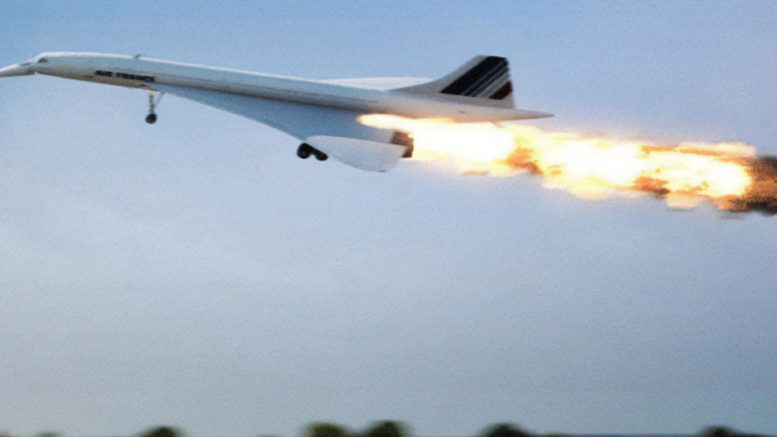
As Concorde accelerated, one of its tires struck the debris and burst. Shrapnel from the tire shot upward into the wing, rupturing a fuel tank. Fuel began gushing out and ignited almost instantly, engulfing the aircraft in flames as it lifted off the ground. The crew tried desperately to stabilize the aircraft, but just two minutes after takeoff, the Concorde crashed into a hotel in the town of Gonesse, just north of the airport.
All 109 people onboard died, along with four people on the ground. It was the only fatal crash involving Concorde in its 27 years of service — but it changed everything.
What Caused the Crash?
The investigation concluded that the metal strip on the runway, left by a Continental Airlines DC-10, was the root cause. This debris led to a chain reaction: tire explosion → fuel tank rupture → fire → engine failure.
Though the Concorde was known for its speed and beauty, this incident exposed its vulnerability to tire bursts and lack of protection for fuel tanks. In response, engineers developed stronger tires and fuel-tank liners, but the damage — to both safety confidence and the aircraft’s image — was already done.
Why Did This Crash End Concorde?
Technically, Concorde could have continued flying. After the crash, the fleet was grounded for over a year, and modifications were made. It returned to service in 2001. But the public’s trust had been broken.
Add to that the high operating costs, limited passenger capacity, and the tragic events of September 11, 2001, and you get a recipe for retirement. By 2003, both British Airways and Air France announced they were retiring their Concordes. The last flight took place on October 24, 2003.

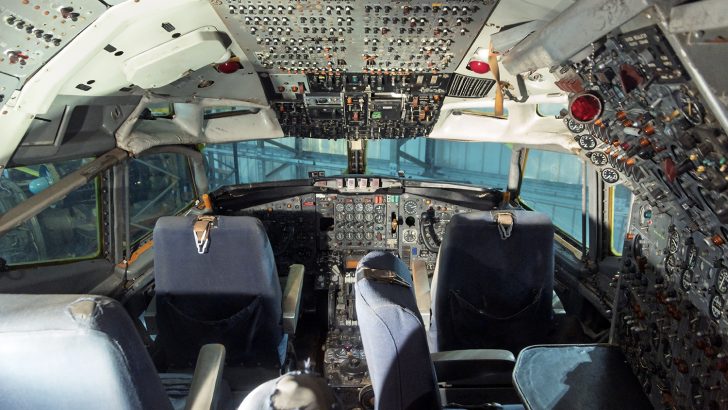
The Concorde: Speed Meets Elegance
Before its downfall, the Concorde was a marvel of engineering. A symbol of luxury, power, and cutting-edge technology.
Quick facts:
- Top Speed: Mach 2.04 (2,180 km/h or 1,354 mph) — over twice the speed of sound
- Flight Time: London to New York in under 3.5 hours
- Altitude: Cruised at 60,000 feet — so high you could see the curvature of the Earth
- Capacity: Around 92 to 128 passengers
- Range: Approximately 7,200 km (4,500 miles)
Who Flew Concorde?


- British Airways 7x
- Air France 7x
Only two airlines ever operated the Concorde:
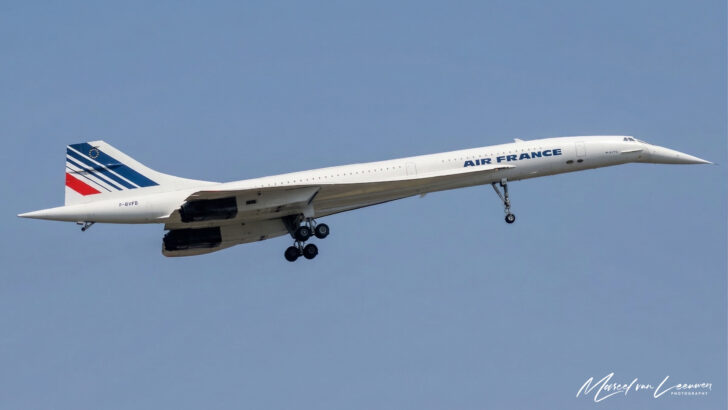
Each had seven aircraft in commercial service, plus a few for testing and training. Despite interest from other airlines, costs and political issues kept it exclusive.
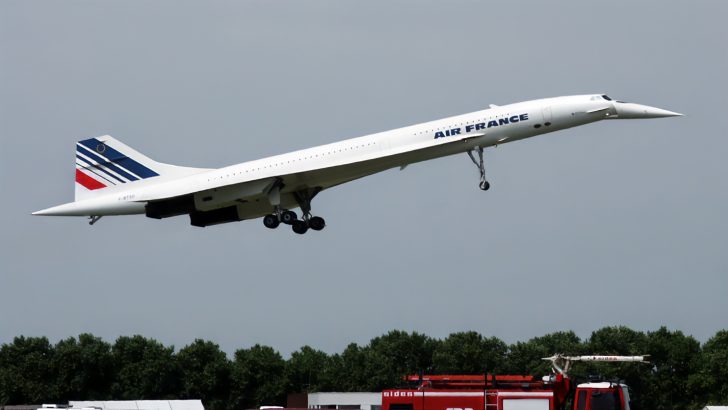
A Brief History of Concorde
- 1962: Anglo-French project begins (between Aérospatiale and the British Aircraft Corporation)
- 1969: First flight of the prototype
- 1976: Commercial services begin
- 1980s–1990s: Concorde becomes a status symbol, used by celebrities, royalty, and business tycoons
- 2000: The fatal crash in Paris
- 2003: Concorde is retired from service
Breakdown of all 20 Concordes built:
| Type | Number | Purpose |
|---|---|---|
| Prototypes | 2 | Testing only (never went into commercial service) |
| Pre-production | 2 | Further testing and refinement |
| Production aircraft | 16 | 14 delivered to airlines, 2 kept for testing/training |
So, the 14 aircraft delivered to British Airways and Air France were the only Concordes used in commercial passenger service.
The Legacy
The Concorde was never just a plane — it was a statement. While the crash of 2000 didn’t cause the downfall alone, it set the wheels in motion. What followed was a gradual grounding of one of the boldest experiments in commercial aviation.
Today, several Concorde aircraft are preserved in museums, where aviation lovers from around the world still marvel at what was once the future of flight.