Aviation News
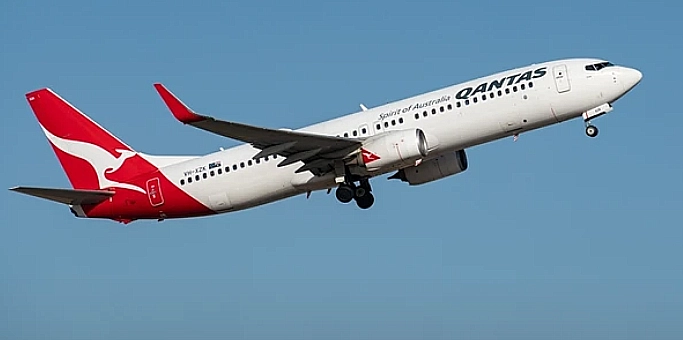
Aviation aftermarket specialist AerFin has agreed to acquire 44 Boeing 737NG aircraft alongside 88 CFM56-7B engines from Qantas in what marks the largest transaction in the company’s history. This record-breaking deal facilitates the gradual retirement of the Australian carrier’s older domestic workhorse fleet while supplying AerFin with a massive inventory of valuable commercial assets.
The transaction involves the scheduled transfer of the aircraft over a seven-year period, with the first units slated to arrive. For Qantas, the agreement forms a core component of a broader domestic fleet modernization strategy, allowing the airline to smoothly phase out its legacy single-aisle jets as up to 24 new aircraft arrive. Meanwhile, AerFin will manage the phased asset transition to maximize lifecycle value and support global operators requiring reliable aftermarket components.
The acquisition centers on high-demand Boeing 737NG airframes and proven CFM56-7B engines, which represent essential commodities within the global maintenance, repair, and overhaul (MRO) sector. By reclaiming and redistributing parts from these mature workhorses, AerFin extends the operational life cycles of active fleets worldwide while meeting tightening demands for secondary market components.
“Completing the largest deal in our history demonstrates the scale of our ambition, the strength of our team and the confidence the market has in our ability to deliver,” said Simon Goodson, Chief Executive Officer at AerFin. “Our 737s have been the workhorse of the Qantas domestic operation, and will continue flying for us for many years, alongside our growing fleet of next generation aircraft,” added Qantas Domestic CEO Markus Svensson.
The massive transaction positions both companies to capitalize on shifting market demands, reinforcing Qantas’s transition to modern technology while cementing AerFin’s dominant footprint in the global aviation aftermarket. As major carriers accelerate fleet renewals, secondary market partnerships of this magnitude will increasingly drive industry sustainability and supply chain resilience.