Aviation News – French President Emmanuel Macron and German Chancellor Friedrich Merz have instructed their defence ministries to continue work on the FCAS fighter jet project, despite escalating industrial tensions, underlining its strategic importance for Europe.
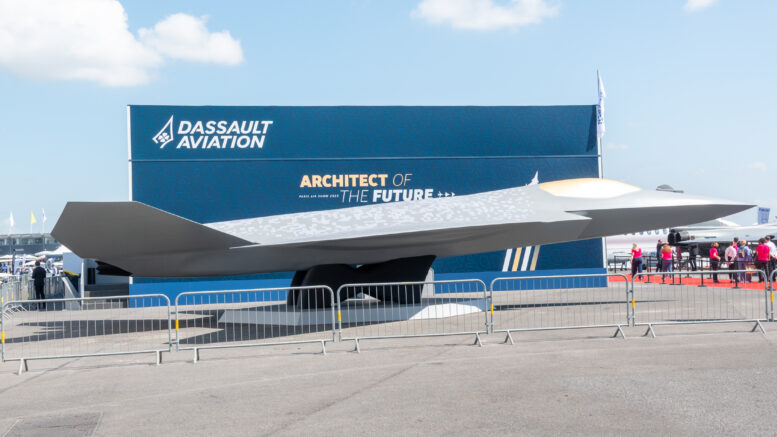
The decision comes as the ambitious Future Combat Air System (FCAS)—a joint effort by France, Germany, and Spain—faces uncertainty due to a dispute between Dassault Aviation and Airbus over leadership and control. Valued at around €100 billion, the program has been a cornerstone of European defence cooperation but has recently stalled amid disagreements over intellectual property and workshare arrangements.
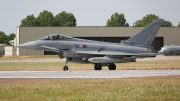
The FCAS aims to develop a next-generation air combat ecosystem that combines a manned fighter aircraft with unmanned systems, advanced sensors, and networked capabilities. The project is intended to replace existing fleets such as the Rafale and Eurofighter Typhoon, while strengthening Europe’s technological sovereignty and operational independence in future conflicts.
A government spokesperson said the renewed political backing highlights the project’s significance: “The FCAS is essential for maintaining Europe’s strategic autonomy and ensuring leadership in next-generation air combat capabilities.”
Looking ahead, continued political support may help resolve industrial disputes and keep the program on schedule, though significant challenges remain. Negotiations between Dassault Aviation and Airbus are expected to continue in the coming months as both sides seek a compromise.
The reaffirmation of commitment by France and Germany signals that, despite internal friction, the FCAS fighter jet project remains a top priority. Its success will depend on sustained cooperation, timely agreements, and the ability to balance national interests within a shared European vision.
Photo Rob Vogelaar