Aviation News – The United States Air Force will not order additional KC-46 aerial refueling tankers from Boeing until the company resolves several persistent technical problems, a senior military official told lawmakers.
During a March 4 hearing before a subcommittee of the U.S. Senate Armed Services Committee, Air Force Vice Chief of Staff Gen. John Lamontagne said the service is still working with Boeing to correct deficiencies affecting the KC-46 Pegasus tanker program. The Air Force currently has a contract covering 183 aircraft, but a potential follow-on order for 75 additional KC-46s will not move forward until the issues are addressed.
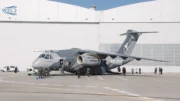
The KC-46 Pegasus is designed to replace aging aerial refueling aircraft and provide fuel to U.S. and allied military aircraft during operations worldwide. The tanker is based on the Boeing 767 platform and features advanced refueling systems, defensive capabilities, and the ability to carry cargo, passengers, and medical evacuation patients, making it a multi-role support aircraft.
“We are working through a couple of issues with the contractor, and we are not going to get a new contract for another 75 KC-46s until we work through some of those deficiencies,” Gen. John Lamontagne told the Senate subcommittee during the hearing.
The Air Force expects the tanker fleet to remain a critical component of its global operations, particularly as demand for aerial refueling grows in the Indo-Pacific and European theaters. Resolving the program’s technical challenges will be key to ensuring the aircraft meets operational requirements before additional procurement decisions are made.
The KC-46 program represents one of the Air Force’s largest modernization efforts in aerial refueling capability. While progress continues, officials stress that addressing the remaining issues will determine when the service moves ahead with expanding the fleet. The outcome could influence future tanker acquisitions and the long-term role of the aircraft in U.S. military logistics.