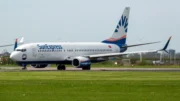
Photo, archive.
What happened?
Shortly after 00:35 CEST on July 5, 2025, a Ryanair Boeing 737 (flight RK3445/3446, Palma‑Manchester) triggered a fire alarm while still on the ground at Son Sant Joan Airport (PMI). Despite no visible flames, the false alarm prompted an immediate evacuation, with many passengers exiting via the wings and emergency slides .
Evacuation chaos:
Video footage shows a scene of panic: passengers scrambling onto the wing and jumping onto the tarmac. One airport worker’s voice can be heard urging caution by saying, “Do you know the plane has emergency exits?”
Casualties & medical response:
A total of 18 passengers sustained minor injuries—mostly sprains and related to jumping off the aircraft. Six individuals were transported to local hospitals (Clínica Rotger and Palma planas Hospital) for further treatment . Emergency teams arrived promptly with four ambulances (two basic life support, two advanced) .
Investigation & cause:
Authorities later determined that the alarm resulted from a false fire warning—a prank or malfunction rather than an actual fire . The aircraft’s emergency procedures were correctly followed, and the situation was controlled swiftly. A replacement aircraft departed at around 07:05 local time .
Wider implications:
The incident drew attention to airline emergency protocols and passenger behavior during alarms. Some analysts highlighted how panic can exacerbate risk—even when evacuations follow procedure . The episode also caused brief disruptions at PMI, adding to existing delays from air-traffic control strikes .
In Summary
Aspect Details:
Date & Time ~00:35 CEST, July 5, 2025
Aircraft & Flight Boeing 737, RK3445 to Manchester
Cause False fire alarm
Evacuation Emergency slides & wing exits
Injuries 18 minor (6 hospitalized)
Response Rapid crews, 4 ambulances
Follow‑up Investigation ongoing, replacement flight dispatched
The incident underscores both the effectiveness of safety protocols and the need for passenger education on emergency behavior.