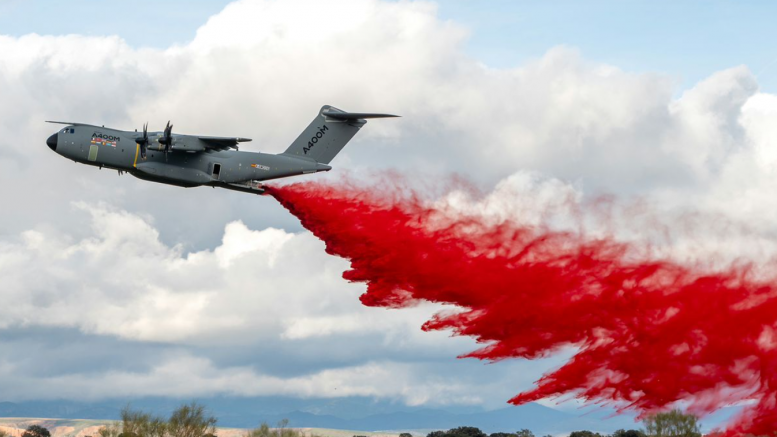
Aviation News – The National Transportation Safety Board is urging the U.S. Forest Service to overhaul its corrosion testing standards following an investigation that revealed severe structural damage to two large airtankers. The safety probe highlights critical vulnerabilities in how wildfire suppression chemicals interact with aircraft metals during active firefighting operations.
The federal safety investigation centered on a British Aerospace BAe-146 operated by Neptune Aviation Services and an MD-87 operated by Aero Air. Both aircraft participated in a 2023 evaluation program testing Fortress FR-200, a magnesium chloride-based fire retardant. Initially dedicated exclusively to FR-200, the planes later alternated between the magnesium-based product and traditional phosphate-based alternatives.
Subsequent teardown inspections uncovered widespread deterioration across vital aircraft systems, including internal fuselage structures, control cables, electrical connectors, and engine components. On the MD-87, maintenance teams discovered corrosion eating through more than half the thickness of a critical wing spar doubler—a primary structural member. Aero Air personnel were forced to replace over 90 electrical connectors and multiple flight control cables to restore airworthiness.
Magnesium chloride-based retardants operate by suppressing combustion through chemical moisture retention and heat absorption, but their residual chemical makeup can accelerate galvanic and electrochemical oxidation on exposed aluminum and steel airframes. The operational impact of such rapid degradation compromises fleet safety margins and increases maintenance overhead. Technical experts note that rigorous qualification protocols must simulate multi-season chemical exposure to prevent premature structural fatigue.
“Corrosion reduces the thickness and strength of metallic aircraft structure and, if undetected or uncorrected, can result in structural failure,” the NTSB stated in its official report. “In this incident, corrosion developed during a single fire season and affected primary wing structure, internal fuselage structure, flight control cables, electrical connectors, tank components, and engines.”
Moving forward, the NTSB’s recommendations will compel regulatory agencies and retardant manufacturers to establish stricter chemical compatibility standards. Aviation operators must now implement enhanced post-season inspection regimens to safeguard critical aerial firefighting fleets before the next wildfire season begins.
