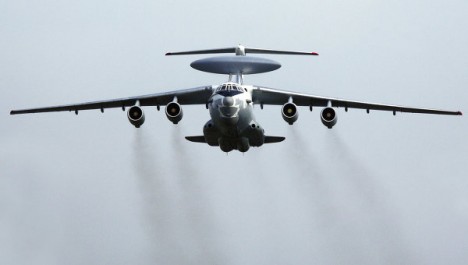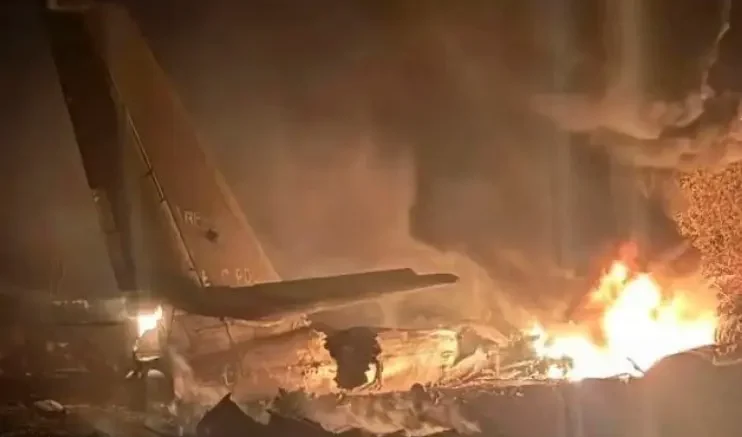
AviationNews – A Russian Tupolev Tu-95MS carrying seven servicemen crashed near the village of Krasnoyanovo in Russia’s Far Eastern Amur region on Tuesday, killing six crew members and leaving one survivor injured, defense officials and local media reported. The fatal accident occurred during a planned training mission, underscoring persistent operational and maintenance challenges within Russia’s active military aviation fleet.
The Tupolev Tu-95MS, which operated out of the major Ukrainka strategic airbase situated roughly 30 kilometers south of the impact zone, went down in an unpopulated sector of the Mazanovsky District. Russian defense authorities stated that the flight was conducting routine exercises and was carrying no ordnance or live ammunition when it crashed. Emergency rescue crews quickly converged on the site to extinguish an intense blaze that engulfed the wreckage immediately upon impact. The sole surviving serviceman was evacuated from the scene with severe injuries and transported to a regional military medical facility for urgent treatment.
While early local channels pointed to potential engine failure or an in-flight fuel system explosion, initial assessments focus on the technical reliability of aircraft deployed from the base. Ukrainka serves as a critical strategic hub in Russia’s Eastern Military District, primarily housing long-range aviation assets. Operating aging heavy aircraft requires extensive maintenance cycles, and investigators are reviewing pre-flight ground records, maintenance logs, and fuel quality reports to identify the exact catalyst for the mid-air catastrophe.
“A special commission of the Russian Aerospace Forces has been dispatched directly to the crash site to establish the structural cause and exact circumstances of the incident,” the Russian Ministry of Defense confirmed in a statement cited by state news outlets, adding that the aircraft went down without causing collateral damage or civilian injuries on the ground.
The crash is expected to prompt immediate fleet-wide safety audits and temporary operational restrictions across units flying comparable equipment from regional bases. Investigators and military aviation authorities will examine black box telemetry and flight data recorders recovered from the debris field to establish whether mechanical failure or pilot disorientation played the decisive role.
This latest loss represents another serious setback for Russian military flight operations in the Far East, where remote bases face compounded supply chain and maintenance burdens. As emergency teams clear the charred crash site in Krasnoyanovo, the findings from the defense commission will determine whether broader fleet groundings are warranted.