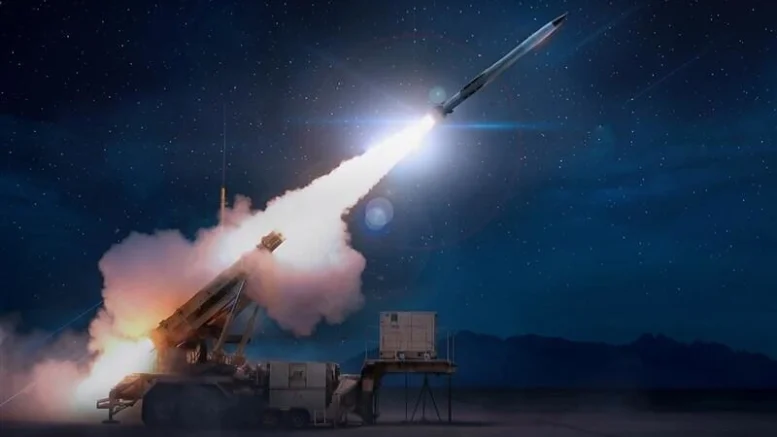
Aviation News – Lockheed Martin has received its first shipment of mission-critical components from GM Defense for the PAC-3 Missile Segment Enhancement (MSE) interceptor. The delivery took place less than a month after the formal agreement between the two defense leaders was finalized.
This rapid production turnaround represents a major shift from traditional defense manufacturing timelines, which usually span months or even years. The strategic partnership between Lockheed Martin and GM Defense highlights the growing importance of combining commercial manufacturing capacity with traditional defense development. By leveraging commercial speed, the collaboration helps strengthen the U.S. defense industrial base and bolsters global supply chain resilience.
The delivery supports the production of the PAC-3 MSE, an advanced air defense interceptor designed to counter tactical ballistic missiles, cruise missiles, and enemy aircraft using hit-to-kill technology. Integrating commercial supply chains into the missile’s manufacturing pipeline helps eliminate traditional bottlenecks, accelerating overall production rates for critical defense systems.
Company leadership emphasized that the milestone demonstrates how non-traditional partnerships can rapidly supply vital defense technologies. They noted that blending commercial innovation with defense manufacturing is essential for expanding production capacity and maintaining a strong Arsenal of Freedom.
As global demand for advanced missile defense capabilities rises, modernizing defense supply chains remains vital for international security. The collaboration establishes a viable model for future defense procurement, proving that high-standard military technology can be manufactured and deployed on accelerated timelines.
The swift delivery of PAC-3 MSE components marks a significant advancement in defense manufacturing speed. By fusing commercial manufacturing agility with military production standards, Lockheed Martin and GM Defense demonstrate how modern industry partnerships can effectively address critical defense supply needs. This successful integration sets a strong precedent for future defense technology procurement.