Aviation News – South Korea’s Defense Acquisition Program Administration (DAPA) has officially launched a concept study for a next-generation fighter intended to eventually replace the KF-21 Boramae. The initiative aims to define the operational requirements and optimal design for an advanced combat aircraft integrating stealth, artificial intelligence, and uncrewed team capabilities.
The procurement agency released a formal tender titled the “Korean Next-Generation Fighter Concept Study,” setting aside KRW 900 million ($650,000) for a 14-month research timeline. Prospective contractors must submit their project proposals by October 1, 2026, after which a primary vendor will be chosen to lead the configuration study. The contract award follows a broader financial push, with DAPA setting aside KRW 63.6 billion ($46 million) in its 2026 budget to fund foundational research and development into next-generation fighter structures, sensors, and materials.
This strategic push builds upon the technical expertise and industrial framework established during the KF-21 Boramae program. Rather than relying solely on incremental upgrades to existing airframes, South Korea is exploring new architectural configurations to ensure its long-term strategic independence. The study will evaluate mission scenarios, airframe geometries, payload capacities, and sensor integration to formulate an actionable roadmap for South Korean air power.
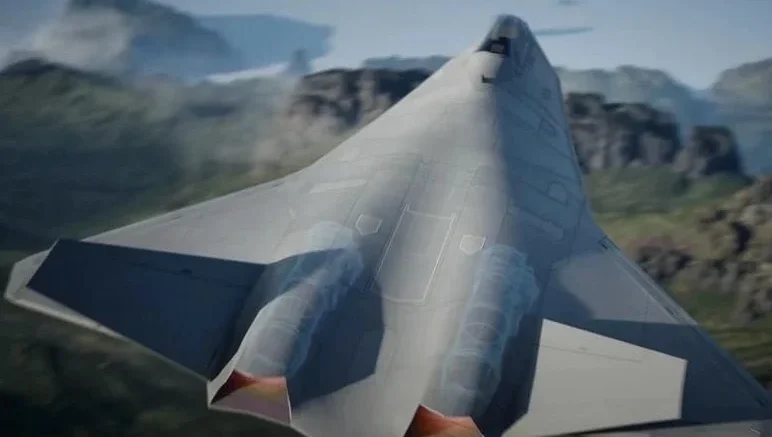
The upcoming platform is expected to serve as a high-tier node in networked air warfare, combining low-observable stealth geometry with advanced artificial intelligence algorithms. Crucially, the operational framework emphasizes “manned-unmanned teaming” (MUM-T), enabling a single pilot to command swarms of uncrewed combat aerial vehicles (UCAVs) for reconnaissance, electronic warfare, and precision strikes.
“This research program will examine the necessary capabilities and optimal operational concepts required for our national security, applying lessons learned from prior domestic aerospace achievements,” DAPA noted regarding its strategic research allocation. “We are laying the foundation for future air dominance by proactively investing in core stealth, sensor, and structural technologies.”
By launching this concept exploration today, South Korea positions itself alongside global defense leaders pursuing next-generation combat aviation architectures. Establishing a clear technological roadmap ensures that the domestic aerospace industry will transition smoothly from mass manufacturing current platforms to designing advanced future systems.
South Korea’s decision to study a KF-21 successor highlights its determination to remain at the forefront of military aviation innovation. Incorporating artificial intelligence, autonomous wingmen, and deep stealth will transform how the nation defends its airspace. If successful, this ambitious initiative will solidify South Korea’s status as a major player in high-tech defense manufacturing.