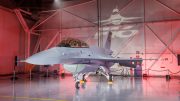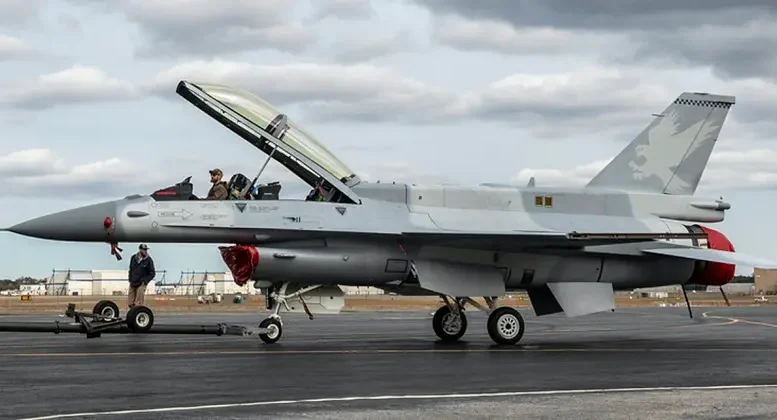
AviationNews – The first two highly anticipated, newly built F-16V Block 70 fighter jets for Taiwan’s Air Force have officially departed the United States, embarking on their trans-Pacific ferry flight to their new home base. This initial delivery marks a critical capability upgrade for Taiwan’s defense forces amid rising regional tensions.
Purchased under the $7.75 billion “Peace Phoenix Soaring” program initiated in 2019, these jets are the tip of the spear for an order of 66 advanced aircraft. After facing production delays due to supply chain issues and factory relocations, the aircraft—bearing tail numbers 6727 and 6728—departed on August 17. The long ferry flight requires scheduled maintenance stops in Hawaii and Guam, leveraging aerial refueling to cross the Pacific Ocean.
The F-16V Block 70 represents the most technologically advanced variant of the legendary Fighting Falcon ever produced. These modernized airframes are equipped with cutting-edge AESA radar systems, upgraded mission computers, conformal fuel tanks for extended range, and advanced electronic warfare suites. Operationally, this technological leap allows Taiwan to significantly bolster its frontline combat inventory, detect potential airborne threats much earlier, and effectively counter advancements in regional stealth fighter deployments.
“We continue to work closely with the US government to accelerate delivery where possible,” stated Lockheed Martin regarding the recent shift to extended production schedules to fulfill Taiwan’s critical defense needs.
Following their arrival at Chihang Air Base in Taitung, the two initial aircraft will undergo immediate flight testing as officers commence specialized training regimens. While the original delivery timeline was pushed back, the remaining 64 fighter jets are now projected to arrive incrementally through 2027, with the final handovers slated for completion in 2028.
The arrival of these first factory-fresh Vipers marks a long-awaited milestone for Taiwan’s aerospace defense. As the remaining jets join the fleet over the coming years, Taiwan’s air arm will stand significantly more capable of maintaining airspace integrity.