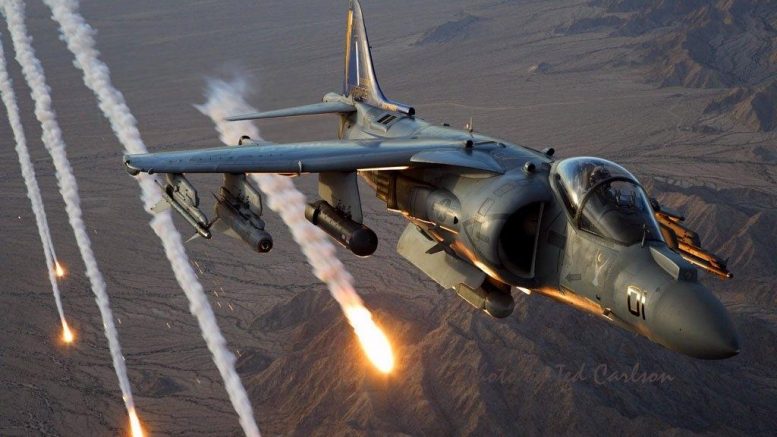
Aviation News – The U.S. Marine Corps has officially retire its historic AV-8B Harrier fleet during a formal Sundown Ceremony on Wednesday at Marine Corps Air Station Cherry Point in North Carolina. This milestone event marks the final chapter for the legendary vertical takeoff jet as the military pivots toward next-generation aviation capabilities.
The 2nd Marine Aircraft Wing has host the ceremony directly on the flightline, gathering veterans, service members, and aviation officials to honor decades of deployment history. The retirement stems directly from the military’s strategic Tactical Aircraft Transition Plan, which systematically replaces legacy platforms to streamline maintenance and training pipelines.
Military planners selected this date to formalize the conclusion of the platform’s service life, signaling a complete structural shift in marine aviation. For years, these aircraft provided essential close-air support, but aging airframes and shifting global threat environments required a modern solution.
The AV-8B Harrier achieved fame through its revolutionary Vertical and Short Takeoff and Landing (V/STOL) technology, utilizing thrust-vectoring nozzles to operate from amphibious assault ships and makeshift jungle runways. Removing this platform simplifies operational logistics, allowing maintenance crews to consolidate resources exclusively onto stealth-capable airframes.
“The retirement of the Harrier represents the passing of a legendary torch in naval aviation,” noted a 2nd Marine Aircraft Wing spokesperson regarding the transition. “While we celebrate the incredible legacy of this aircraft, our focus turns entirely to maximizing the unmatched lethality of our newer platforms.”
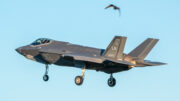
This fleet retirement clears the logistical runway for the F-35 Lightning II, ensuring marine pilots maintain air superiority in contested environments worldwide. Enthusiasts and historians are encouraged to follow official military media channels for live updates and historical retrospectives of the final flight.
The ceremony successfully honors the pilots and maintainers who dedicated their careers to keeping the vertical-takeoff fleet mission-ready. The finality of this transition underscores the rapid modernization rewriting the rules of modern aerial warfare. As the final engines cool in North Carolina, the service looks forward to a more integrated, stealth-dominated future.