AviationNews – Virgin Galactic has officially confirmed that its next-generation Delta-class spacecraft remains on schedule for its highly anticipated commercial debut later this year. The announcement follows a robust first-quarter financial update, proving that the company successfully meets its technical and budgetary milestones to capitalize on a growing suborbital tourism market.
In its Q1 2026 earnings report, the aerospace pioneer highlighted a major operational pivot, narrowing its net loss to $65 million—a significant improvement from the $84 million loss recorded in the same period last year. Central to this progress is the successful relocation of the company’s first production Delta spaceship from its assembly hangar to the test-and-launch facility near Phoenix, Arizona. This milestone transitions the company from a costly research phase into an active ground-testing period, validating its long-term infrastructure investments ahead of an upcoming ticket tranche closure.
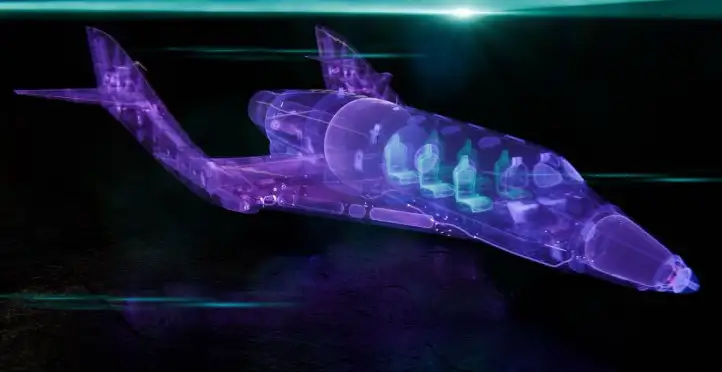
Engineered to replace the retired VSS Unity, the Delta-class ships utilize a highly scalable, modular production process that dramatically speeds up turnaround times and expands customer capacity. The technical design allows each vehicle to safely conduct up to eight space missions per month, a twelve-fold increase over earlier hardware capabilities. To sustain this aggressive operational rhythm, the company has also initiated construction on a brand-new rocket motor assembly line in Phoenix, which will become fully operational by the fourth quarter of this year to secure a steady propulsion supply chain.
“We’ve delivered the first of our new spaceships from our assembly hangar to our test-and-launch hangar, ground testing is underway, and we remain on track to commence flight testing in the third quarter and spaceflight in the fourth quarter of this year,” stated Michael Colglazier, Chief Executive Officer of Virgin Galactic. “Spending continues to decline quarter by quarter, debt retirements are being made on or ahead of schedule, and cash balances are being maintained at appropriate levels as we prepare for the launch of commercial operations.”
Looking ahead, this strategic ramp-up positions Virgin Galactic to significantly scale its commercial cadence, targeting four flights per month in January 2027 and expanding to eight flights per month by the second quarter of 2027. Prospective space travelers and private researchers must act swiftly to secure remaining seats in the current $750,000 booking tranche, which executives expect to close during the upcoming third-quarter glide flights. The broader aerospace market must prepare for an influx of frequent suborbital transit as consumer confidence and regulatory certifications fall into place.
Virgin Galactic’s successful structural transition breathes new life into the commercial space tourism sector after an extended operational hiatus. While near-term cash burn remains a challenge, the modularity of the Delta class establishes a scalable blueprint for repeatable, revenue-generating spaceflight. If the company achieves its late-year flight testing targets, it will permanently secure its first-mover advantage in suborbital space transit.