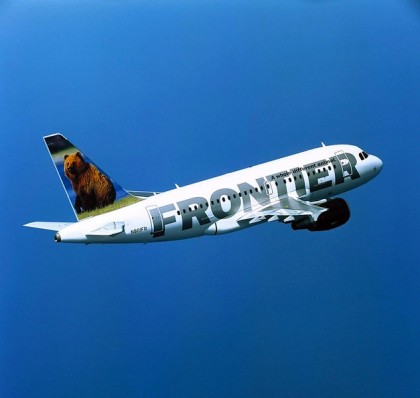
A group of U.S. budget airlines, including Frontier Group Holdings and Avelo Airlines, has formally requested $2.5 billion in federal assistance to offset a massive surge in jet fuel prices. The request, reported on April 27, 2026, comes as the industry grapples with the economic fallout of the ongoing U.S.-Iran war.
Key Details of the Proposal
-
The Request: $2.5 billion in federal aid, calculated based on the projected incremental increase in jet fuel costs for the remainder of 2026.
-
The Trade-off: In exchange for the lifeline, the airlines are offering the government warrants that could be converted into equity stakes, potentially giving the federal government a direct ownership position in the carriers.
-
The Context: Jet fuel prices have roughly doubled since the start of the conflict in late February 2024, recently hitting approximately $4.19 per gallon. Supply chains have been severely disrupted by the near-closure of the Strait of Hormuz and the loss of major global exporters like Kuwait.
Airlines in Crisis
The financial strain is hitting low-cost carriers (LCCs) particularly hard because they operate on thin margins and lack the diversified revenue streams—such as lucrative international routes or massive credit card partnerships—that major carriers like United or Delta use to buffer costs.
The Political & Economic Debate
The potential bailout has sparked significant controversy in Washington:
-
Administrative Stance: President Trump has suggested that the government could buy struggling airlines like Spirit outright, appoint new leadership, and resell them for a profit once oil prices stabilize.
-
Opposition: Critics, including Senator Elizabeth Warren, have criticized the move as a dangerous market distortion. Some analysts argue that using the Defense Production Act to rescue commercial airlines sets a “disturbing” precedent for government intervention in private industry.
Future Outlook
The outcome of these ongoing discussions with Transportation Secretary Sean Duffy and the FAA will likely determine the survival of the “ultra-low-cost” model in the U.S. If the government declines, analysts warn that some carriers may be forced into liquidation, leading to reduced competition and significantly higher domestic airfares for travelers.