Aviation News – The U.S. Air Force has announced a massive expansion of its F-15EX Eagle II program, more than doubling its total planned acquisition from 129 to 267 aircraft. This strategic pivot, confirmed during a Pentagon budget briefing on April 21, aims to modernize the nation’s fighter inventory and bridge the gap between legacy airframes and next-generation stealth technology.
The revised procurement plan follows years of fluctuating targets and arrives amid the rollout of the fiscal 2027 budget request, which includes an order for 24 additional fighters at an estimated cost of $3 billion. While the F-15EX was originally intended to replace the aging F-15C/D models, the expanded fleet size signals a new intent to recapitalize the F-15E Strike Eagle fleet. Currently, the service has approximately 25 Eagle IIs in its active inventory, with existing contracts already covering more than 100 units from manufacturer Boeing.
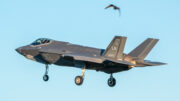
Military officials emphasized that the decision to bolster the F-15EX numbers does not signal a departure from stealth aircraft like the F-35A. Instead, the Air Force is pursuing a “balanced portfolio” strategy, utilizing the Eagle II for its high-capacity missile rails and long-range strike profiles while reserving the F-35 for contested, high-threat environments. This development reflects a broader initiative to procure at least 72 new fighters annually to reverse the trend of a shrinking and aging force.
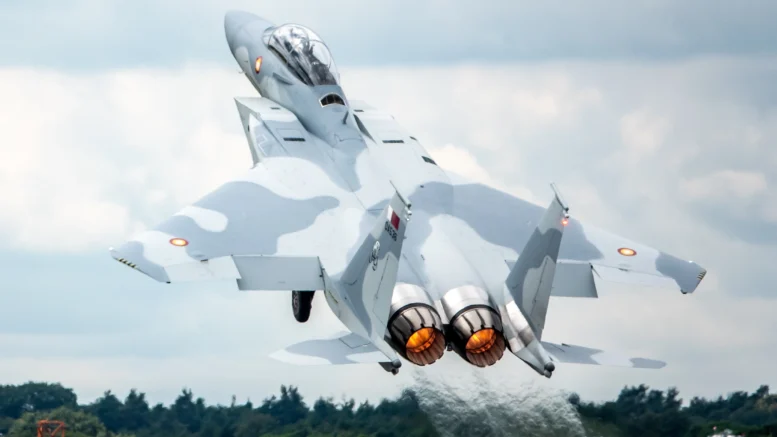
Technically, the F-15EX serves as a “missile truck” capable of carrying up to 12 air-to-air missiles, significantly more than its stealth counterparts. It features a digital backbone with fly-by-wire controls, advanced AESA radar, and the EPAWSS electronic warfare suite, which provides enhanced survivability against modern threats. These upgrades allow the jet to integrate seamlessly with fifth-generation sensors while providing the raw firepower necessary for sustained theater operations.