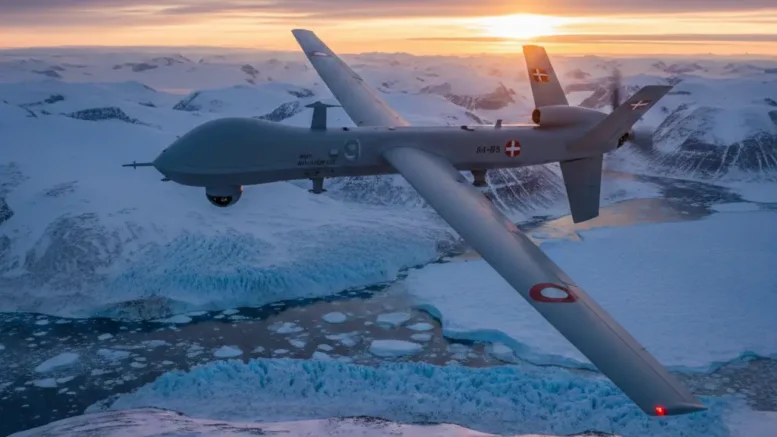
AviationNews – General Atomics Aeronautical Systems, Inc. (GA-ASI) has successfully concluded critical flight tests for the MQ-9B SkyGuardian, achieving a major milestone in certifying the remotely piloted aircraft for Flight Into Known Icing (FIKI). This technical breakthrough ensures the drone can operate safely in the world’s most punishing arctic environments, providing vital all-weather surveillance capabilities for global defense partners.
The rigorous testing phase, which wrapped up in early April 2026 at the Flight Test & Training Center in North Dakota, involved a company-owned MQ-9B enduring simulated and real-world icing conditions. These trials are part of a broader push to meet the stringent airworthiness standards required by the Canadian Directorate of Technical Airworthiness and Engineering Support and other international regulators. With Canada ordering 11 SkyGuardians and Denmark also selecting the platform, the ability to fly through frozen clouds is no longer a luxury but a strategic necessity for Arctic sovereignty and NATO’s northern flank security.
Technically, the FIKI certification relies on an advanced integrated de-icing system that protects the aircraft’s wings, tail, and engine inlets from ice accumulation, which can otherwise degrade lift and lead to engine failure. By combining this hardware with specialized all-weather avionics, the SkyGuardian can now maintain its 40-hour endurance even when moisture and sub-zero temperatures threaten its flight path. This operational flexibility allows commanders to deploy the drone for intelligence, surveillance, and reconnaissance (ISR) missions in conditions that would typically ground less sophisticated unmanned systems.
“We’ve approached these flight tests with great rigor to ensure our user base can operate in a full range of environmental conditions,” stated David R. Alexander, President of GA-ASI, emphasizing the platform’s readiness for high-latitude deployments.
The completion of these tests paves the way for the MQ-9B to become a cornerstone of northern defense strategies. As global powers increasingly look toward the Arctic for resources and strategic positioning, having a certified, persistent eye in the sky that is immune to the “icing trap” will redefine how nations monitor their most remote borders.
By overcoming the barrier of frozen flight, GA-ASI has transformed the SkyGuardian from a fair-weather scout into a year-round guardian. This development ensures that the next generation of uncrewed aviation is ready to meet the cold realities of 21st-century global security.