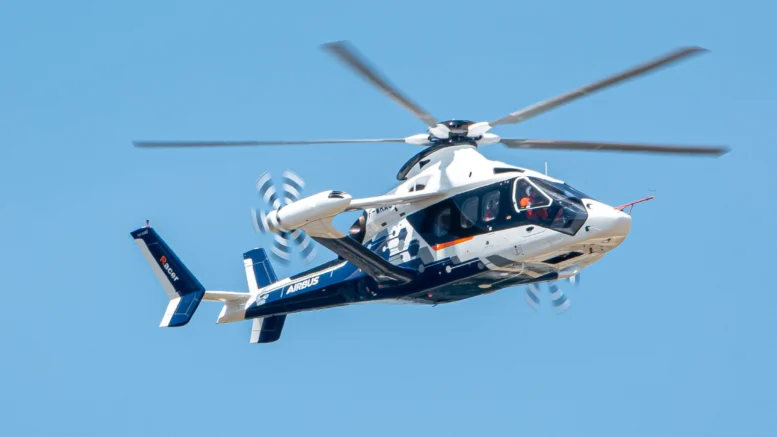
Aviation News – Airbus Helicopters has teamed up with industry giants RTX and MBDA to propose a dual-platform strategy for NATO’s Next Generation Rotorcraft Capability (NGRC) study. This strategic move aims to replace aging medium-lift fleets with a mix of high-speed and high-performance aircraft designed for the complexities of future battlefields.
The proposal features a high-performance conventional helicopter working in tandem with a novel high-speed compound concept to provide maximum fleet flexibility. Developed alongside Collins Aerospace, Raytheon, and MBDA, the project emphasizes a Modular Open System Architecture (MOSA). This approach ensures that the platforms are not only simple to manufacture and maintain but also easily adaptable to emerging technologies, significantly reducing long-term costs for military partners.
Both concepts prioritize operational efficiency through shared commonalities in maintenance, training, and weaponry. By utilizing a highly connected framework, these rotorcraft can share real-time data and systems, creating a seamless ecosystem on the front lines. The modular design allows for rapid reconfiguration, enabling a single fleet to handle diverse mission profiles ranging from troop transport to advanced electronic warfare.
Building on decades of military rotorcraft expertise and the success of high-speed demonstrators like the X3 and Racer, Airbus is pushing the boundaries of vertical flight. This compound configuration offers a dramatic expansion of the flight envelope, providing speeds far beyond those of conventional helicopters alongside the ability to accelerate and decelerate with extreme agility. Military pilots have already validated these advantages—including rapid climb and descent capabilities—during flight evaluations of the Racer under the European Next Generation Rotorcraft Technologies program. By integrating this proven flight-test data with direct operational feedback from global customers, Airbus has established a robust, high-performance foundation for its next-generation capability proposal.

Eurocopter X3 F-ZXXX | Rob Vogelaar
“Our proposal to NATO aims to deliver the right balance of performance, cost-effectiveness, and operational readiness,” stated an Airbus spokesperson regarding the submission. “By integrating simplicity and modularity, we are ensuring that our military partners can maintain a decisive edge through the next several decades of vertical flight.”
Looking ahead, this collaboration signals a shift toward interoperable defense systems that can evolve as quickly as the threats they face. As NATO evaluates these concepts, the focus will remain on how quickly these next-generation technologies can be transitioned from design blueprints to active service.
Airbus and its partners are positioning these designs as the definitive answer to modern aerial mobility challenges. The integration of advanced propulsion and digital backbones will likely define the standard for military aviation well into the mid-21st century.


