AviationNews – Recent US airstrikes in Venezuela have forced international carriers, including BermudAir, to cancel or reroute dozens of flights as regional airspace closures take effect. The sudden escalation in military activity has created significant disruption across the Caribbean, prompting urgent safety warnings from global aviation authorities.
The conflict intensified on January 3, 2026, when the United States launched Operation Southern Spear, a rapid military intervention aimed at Venezuelan leadership. Following reports of explosions near Caracas and the capture of high-ranking officials, the FAA and the European Aviation Safety Agency (EASA) issued emergency Conflict Zone Advisory bulletins. These directives effectively shuttered the Maiquetía Flight Information Region (FIR) to civilian traffic, leaving thousands of travelers stranded during one of the year’s busiest holiday return windows.
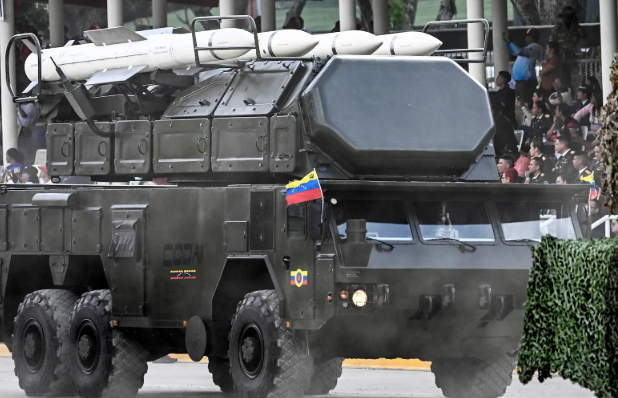
Technically, the risk to civil aviation remains “extreme” due to widespread GPS jamming and the deactivation of transponders by military aircraft. EASA warned that Venezuelan SAM systems (surface-to-air missiles) remain on high alert, posing a severe risk of misidentification for any civilian plane entering the combat zone. Furthermore, electronic warfare side-effects in the southern Caribbean have forced pilots to revert to conventional navigation methods, adding significant flight safety complexity to regional routes.
“The risk of miscalculation or misidentification is assessed as high within the region due to unpredictable state responses and the activation of air defense units,” stated an official EASA security bulletin. “We advise all air operators to avoid the affected airspace at all altitudes and flight levels until further notice to ensure the safety of crews and passengers.”
While the FAA has begun lifting some broad Caribbean restrictions, high-risk Exclusion Zones are expected to remain in place along the Venezuelan border until at least March 2026. Airlines are currently scrambling to add capacity and larger aircraft to clear the massive backlog of passengers stuck in hubs like San Juan and Aruba. Travelers are urged to verify their flight status directly with carriers as the geopolitical situation remains fluid.
The military intervention has fundamentally altered the safety landscape for South American travel. As the industry enters a complex recovery phase, the long-term viability of traditional flight corridors in the Caribbean will depend on the stabilization of the regional security environment.