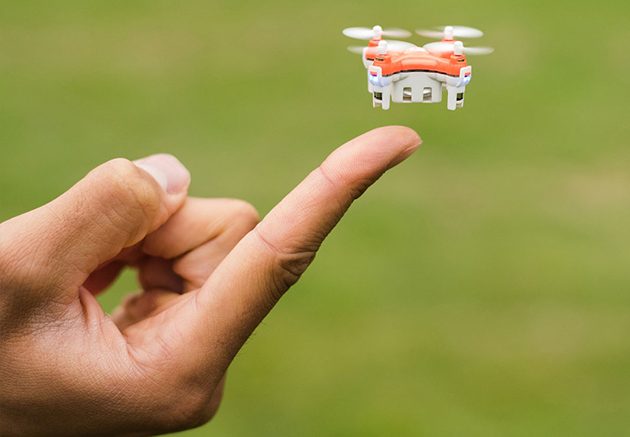
AviationNews – Strict new aviation regulations for unmanned aircraft have officially taken effect across the European Union and the United Kingdom, introducing mandatory requirements for all drones weighing over 100 grams. These rules, which became active on January 1, 2026, signify a major shift in how light aircraft are monitored and integrated into shared airspace.
The regulatory update targets three primary areas: Remote ID technology, standardized noise measurements, and the mandatory registration of Flyer IDs. This move comes after years of collaboration between the European Union Aviation Safety Agency (EASA) and the UK Civil Aviation Authority (CAA) to harmonize safety standards. Manufacturers are now legally obligated to issue updated conformity declarations, ensuring that every new unit sold meets these rigorous environmental and security benchmarks.
From a technical standpoint, the Remote ID requirement functions as a digital license plate, broadcasting the drone’s location, altitude, and pilot identity in real-time. This system allows local authorities to distinguish between authorized commercial operations and potential security threats. Additionally, the new acoustic certification limits noise pollution in urban areas, forcing developers to optimize propeller design and motor efficiency to achieve lower decibel ratings during low-altitude flight.
“These measures represent a fundamental step toward the safe and transparent integration of drones into our daily lives,” stated a senior official from the Regulatory Oversight Board. “By ensuring every aircraft is identifiable and operates quietly, we are building the public trust necessary for the expansion of drone delivery and advanced aerial services.”
Looking ahead, the industry expects a surge in compliance upgrades for existing fleets as operators move to meet the 2026 standards. Pilots and businesses should immediately review their registration status and equipment specifications to avoid significant fines or grounding. This framework sets a global precedent for airspace management in the age of autonomous flight.
The 2026 Drone Compliance Checklist:
1. Registration & Identification
- [ ] Check the 100g Threshold: Under the new rules, if your drone weighs 100g or more and has a camera, you must now have both a Flyer ID and an Operator ID.
- [ ] Flyer ID (Competency): Ensure you have passed the updated 2026 online theory test. This is mandatory for anyone flying a drone over 100g.
- [ ] Operator ID (Registration): If you are the owner, ensure your registration is active. In the UK, this must be renewed annually.
- [ ] Physical Labeling: Your Operator ID must be clearly visible on the main body of the drone in block capitals at least 3mm high. It must not be placed on detachable parts like battery covers.
2. Remote ID (Digital License Plate)
- [ ] Verify Class Marking: Does your drone have a UK1-UK6 or C1-C6 label? If it was purchased after January 1, 2026, Remote ID must be active.
- [ ] Update Firmware: Check your manufacturer’s app (e.g., DJI Fly, Autel Sky) for the “Remote ID Compliance” update. This is required to broadcast your digital ID and location.
- [ ] Enter Remote ID Number: Log into your CAA or EASA portal, retrieve your unique Remote ID number, and enter it into your drone’s flight controller settings.
- [ ] Check Broadcast Status: Before takeoff, verify that the “Remote ID Status” in your app is “Normal” or “Green.”
3. Hardware & Operational Standards
- [ ] Noise Compliance: For drones in urban areas (A2 category), ensure your aircraft meets the new acoustic certification. Older “legacy” drones may be restricted to “Far from People” (A3) categories if they exceed decibel limits.
- [ ] Night Flying Lights: If flying after sunset, you must now have a flashing green light visible from all directions to distinguish your drone from manned aircraft.
- [ ] Geo-Awareness: Ensure your FlySafe or airspace maps are updated to the 2026 version to avoid automatic entry into new restricted zones around government buildings or critical infrastructure.