Aviation News – Boeing Secures Landmark Victory
The Pentagon selected Boeing to build the U.S. Navy’s next-generation stealth fighter jet, awarding the aerospace giant a $20 billion development contract critical to countering military challenges in the Pacific region.
Boeing defeated defense rival Northrop Grumman to secure the $20 billion contract aimed at producing initial test aircraft for the program. The Pentagon announced the selection on Tuesday following months of deliberate delays regarding the program’s direction. While the initial contract covers development and test models, industry analysts estimate the full program life cycle could reach hundreds of billions of dollars as production scales up and international partners join.
This strategic triumph marks Boeing’s second major fighter program win in consecutive years, following its March award to construct the Air Force’s stealthy F-47 fighter. Winning both marquee sixth-generation fighter jet programs solidifies the manufacturer’s position at the forefront of military aviation design and production. Despite initial questions raised by defense officials regarding engineering capacity and supply chain bandwidth to execute both programs simultaneously, the company successfully proved its manufacturing readiness.
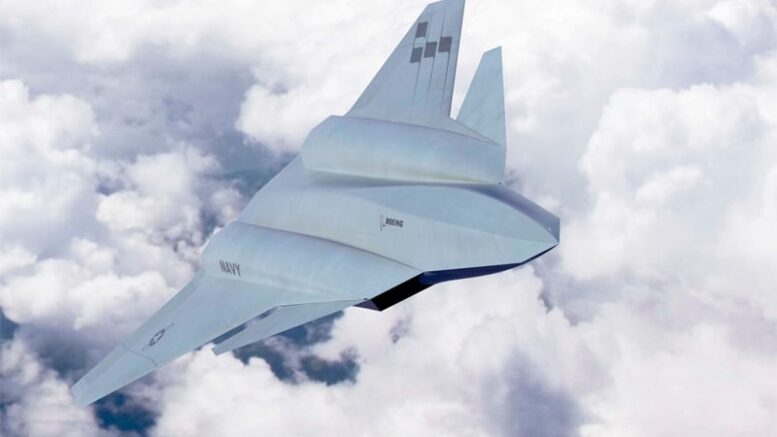
The new F/A-XX stealth fighter will replace the aging fleet of F/A-18E/F Super Hornets currently deployed across active carrier air wings. Designed specifically for deep-range sea operations, the stealth platform incorporates advanced signature reduction, increased mission radius, and seamless integration with unmanned carrier assets. Fleet introduction is projected for the early 2030s, significantly upgrading carrier strike capabilities.
”Securing this contract underscores our deep commitment to naval aviation and carrier-based operations,” a defense industry official noted regarding the competitive award. “This platform will deliver decisive air dominance across contested maritime operational environments for decades to come.”
As geopolitical tensions escalate in the Pacific, establishing a technologically superior maritime fighter remains essential to national defense strategy. The production ramp-up ensures vital manufacturing stability across domestic defense supply chains while positioning global coalition forces to counter evolving near-peer threats effectively.
