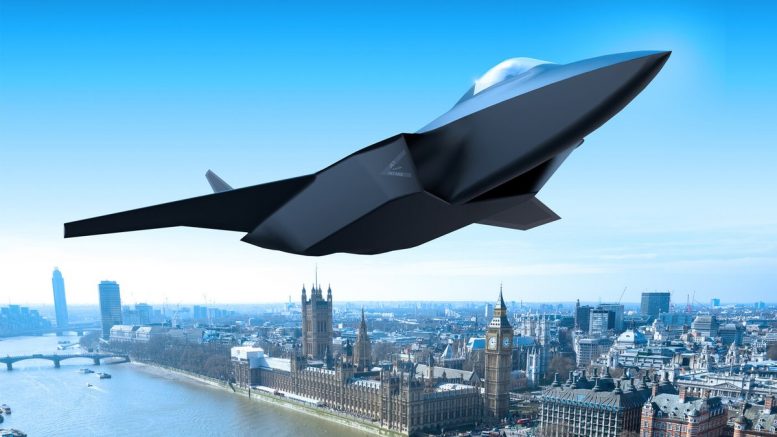
Aviation News – Germany is considering joining the Global Combat Air Programme (GCAP), a next-generation fighter initiative led by the United Kingdom, Italy and Japan, after its planned Future Combat Air System (FCAS) programme with France became unviable. The move could give Germany a new route towards a future combat aircraft and strengthen Europe’s position in next-generation air power.
Germany is now examining the possibility of becoming part of GCAP, which aims to develop a next-generation combat aircraft and associated advanced technologies. The programme currently brings together the UK, Italy and Japan in one of the world’s most ambitious military aviation projects.
The potential German shift follows the collapse of FCAS on June 9, 2026, after Germany and France failed to reach agreement on the development of the programme’s manned fighter aircraft. FCAS had been intended to provide a future replacement for several European combat aircraft, but disagreements over industrial responsibilities and development priorities ultimately prevented the partnership from moving forward.
Technically and operationally, GCAP is designed as more than a conventional fighter programme. It combines a next-generation crewed combat aircraft with advanced sensors, networking, weapons and autonomous systems, creating an integrated combat capability intended to operate across increasingly connected air and battlefield environments.
The development of GCAP reflects the importance of international cooperation in maintaining future air superiority. The programme partners have emphasized the need to combine national expertise and industrial capabilities to deliver advanced combat aviation technology while strengthening long-term defence cooperation.
For Germany, joining GCAP could provide an alternative path towards securing a next-generation fighter capability while maintaining a significant role for its defence and aerospace industries. A decision to participate would also have wider implications for the future shape of European air power and could influence cooperation between other European nations.
The collapse of FCAS has left Germany facing an important strategic decision over its next-generation fighter requirements. GCAP now represents one of the most significant international programmes available to Berlin, although joining would require political, financial and industrial agreements with the existing partners. The outcome could shape Germany’s combat aviation capabilities for decades to come.


