Aviation News – Merlin, an aerospace and defense technology company, has unveiled its Merlin Pilot for Commercial Cargo system to bring advanced autonomous flight to the global air freight market. This AI-powered operating system marks a major milestone in transitioning large, multi-crew commercial and military aircraft toward safer, scaled autonomous operations.
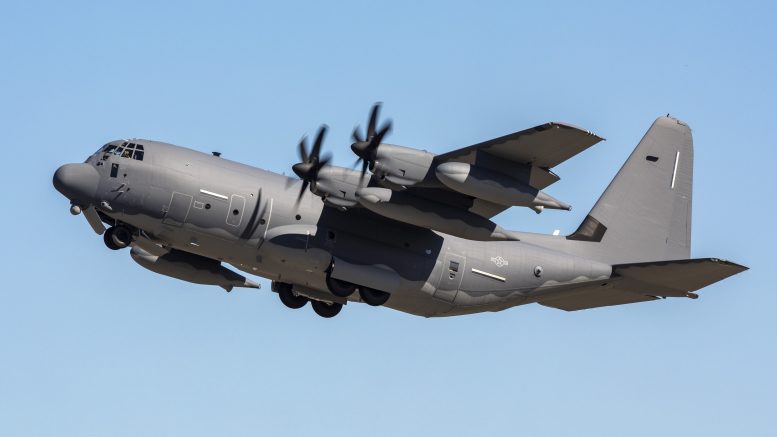
The new commercial cargo platform is part of Condor, Merlin’s newly introduced product family designed for large-scale aviation. This initiative represents the first product family that the technology firm plans to bring to market utilizing its aircraft-agnostic autonomy core. The development targets both civil and military platforms, extending its software capabilities from Part 25 aircraft to heavy military transports like the C-130J. This deployment comes at a critical time as the global freight sector faces shifting operational demands and logistics challenges.
Mechanically, the Merlin Pilot autonomy core serves as an integrated flight operating system, reducing the traditional operational strain where multiple pilots must manually manage every in-flight task. By shifting routine decision-making to the AI-powered software, the system alters how aircraft scale and function during long-haul logistics.
“The industry’s growing interest in autonomy reflects an evolution toward broader thinking about how aircraft are designed, operated, and scaled to meet demand over the long term,” the company stated regarding the necessity of modernizing global transport. Looking ahead, this automation framework provides a scalable model to alleviate pilot workload while meeting the surging demands of global commerce. Fleet operators must now look beyond traditional crew restrictions to integrate autonomous flight technology into their long-term infrastructure.
Data from Boeing projects the global large cargo fleet will expand from 2,340 aircraft today to nearly 3,900 over the next two decades. This massive growth requires more than 2,800 new production and conversion deliveries to sustain global supply chains. Implementing robust autonomous systems will ultimately dictate how effectively the aviation industry handles this unprecedented volume.