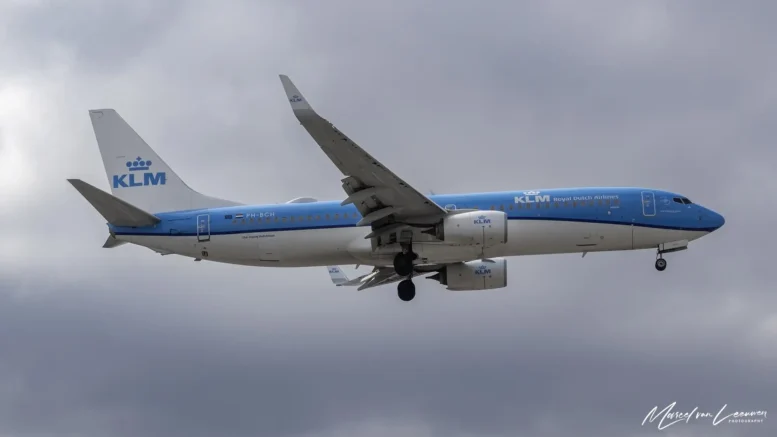
AviationNews – KLM Royal Dutch Airlines has announced the cancellation of 160 flights scheduled for the coming month due to a dramatic spike in kerosene prices that has rendered several European routes financially unviable. The decision, aimed at protecting the carrier’s bottom line, highlights a growing crisis in the aviation sector as fuel costs reach their highest levels in years.
The reductions, set to begin on April 27, primarily target high-frequency regional routes where passengers can be more easily accommodated on alternative departures. London and Düsseldorf are among the most affected destinations, as the airline seeks to trim roughly 1% of its total European capacity. While the International Energy Agency has stated there is currently no physical shortage of fuel, the surge in market rates has forced KLM to implement significant price hikes. Long-haul tickets to North America are rising by 70 euros, while other intercontinental economy fares will see a 100-euro increase per return trip.
From a technical standpoint, the industry is witnessing a strategic shift toward efficiency-led grounding. While KLM is optimizing its schedule, German rival Lufthansa is taking more permanent measures by grounding 27 aircraft from its Lufthansa CityLine subsidiary. This operational pivot serves a dual purpose: it mitigates losses from older, “gas-guzzling” regional jets and offsets the financial damage caused by ongoing labor strikes in Germany. By removing less efficient airframes from the fleet, carriers are attempting to lower their overall fuel exposure and maintain liquidity during a period of extreme price volatility.
“The package for accelerated implementation of fleet and capacity measures is unavoidable in light of the sharply increased kerosene costs and geopolitical instability,” stated a representative regarding the industry-wide pressure to maintain profitability.
This trend suggests a tighter, more expensive travel landscape for the foreseeable future. As airlines prioritize high-margin routes and phase out older fleets, passengers should expect less scheduling flexibility and higher surcharges. For now, KLM is focusing on the May holiday rush, promising to rebook all affected travelers to ensure their vacation plans remains intact despite the logistical hurdles.
The European aviation market is currently navigating a perfect storm of rising overheads and social unrest. As major players like KLM and Lufthansa consolidate their operations, the focus remains squarely on financial survival through the summer season.