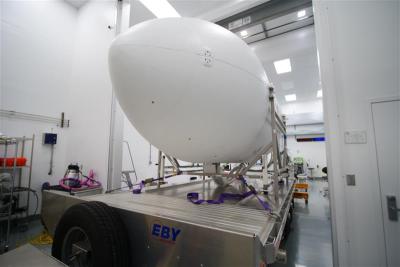
Lockheed Martin and Firefly Aerospace have successfully completed the U.S. Space Force (USSF) VICTUS DIEM exercise, demonstrating the ability to process payloads and simulate launches on drastically compressed timelines. This breakthrough in Tactically Responsive Space (TacRS) proves that the U.S. can rapidly deploy orbital assets to counter immediate threats during a national security crisis.
The exercise, part of a broader Space Force-led field training initiative, focused on moving away from traditional month-long launch cycles toward a model of extreme agility. Lockheed Martin worked alongside Firefly Aerospace to execute a rapid payload processing demonstration, completing all necessary technical preparations in less than 12 hours. This speed is essential for replacing disabled satellites or launching new surveillance capabilities when allied forces face sudden aggression on the ground or in orbit.
Building on the payload success, the teams moved into a 36-hour rapid launch simulation. Upon receiving a simulated “notice to launch” from the USSF, the combined crews rehearsed emergency protocols and finalized all mission operations tasks within a day and a half. This development context reflects a strategic shift by the Pentagon to ensure that space is no longer a “sanctuary” but a contested domain requiring accelerated timelines and resilient infrastructure.
Technically, the VICTUS DIEM mission utilizes a streamlined integration process where the payload and launch vehicle are mated and tested in a fraction of the standard time. By optimizing ground software and hardware interfaces, the warfighter gains the ability to execute space operations with the same responsiveness as traditional air or sea maneuvers. This operational impact ensures that the U.S. military can maintain space superiority even if primary assets are targeted or fail.
“The exercise enhanced the warfighter’s ability to execute space operations on accelerated timelines, supporting Lockheed Martin’s efforts to get new tech on orbit faster,” noted a company representative regarding the success of the simulation. The collaboration highlights how industry partners are effectively meeting the urgent demands of the tactically responsive space mission set.
Looking ahead, the success of VICTUS DIEM sets a new standard for how the U.S. Space Force will procure and deploy future systems. The goal is to move beyond simulations and establish a permanent, “always-ready” rapid launch capability that can be triggered at a moment’s notice.
In summary, the partnership between Lockheed Martin and Firefly Aerospace has proven that the 12-hour payload window and 36-hour launch cycle are achievable realities. This exercise marks a significant leap toward a more resilient and responsive American presence in space, ensuring that on-orbit technology can be refreshed or defended with unprecedented speed.