Aviation News –
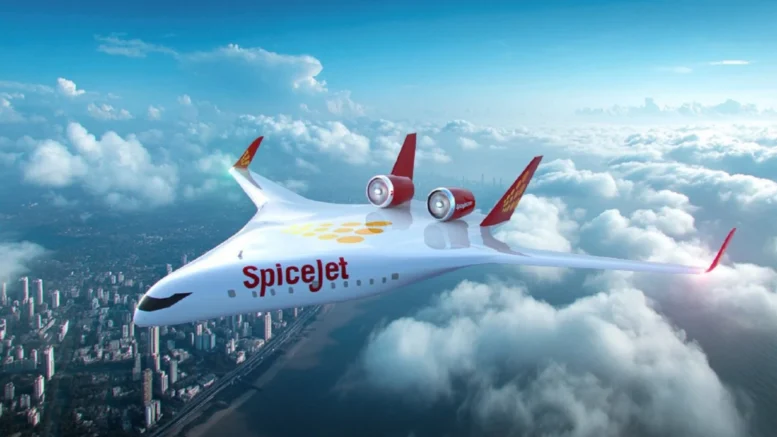
US start-up Natilus has partnered with Indian low-cost carrier SpiceJet to introduce blended-wing-body aircraft in India, a move that could reshape future fleet strategies. The agreement matters as it signals India’s first major step toward adopting next-generation aircraft designs aimed at efficiency and sustainability.
In a joint confirmation on December 17, 2025, the companies announced that Natilus will enter the Indian market through a newly formed subsidiary, Natilus India. As part of the partnership, SpiceJet will support the US manufacturer through India’s regulatory and certification process, paving the way for a potential order of 100 Horizon blended-wing aircraft once approvals are secured.
Blended-wing-body aircraft differ from conventional tube-and-wing designs by integrating the wings and fuselage into a single lifting surface. This configuration can reduce fuel burn, increase payload efficiency, and lower operating costs, offering airlines a structural bolt toward more sustainable operations without radical changes to airport infrastructure.
A Natilus spokesperson said the collaboration highlights the importance of early airline involvement. “Working closely with SpiceJet allows us to align our aircraft design with real-world operational needs while accelerating certification in one of the world’s fastest-growing aviation markets,” the company said.
Looking ahead, the partnership positions both companies to benefit from India’s rapid air travel growth and increasing focus on efficiency. If certification proceeds as planned, the Horizon aircraft could become a cornerstone of SpiceJet’s future fleet and encourage broader adoption of blended-wing designs across the region.
The agreement underscores growing confidence in alternative aircraft architectures and India’s openness to aerospace innovation. With regulatory support and airline commitment aligning, Natilus and SpiceJet may help set a new benchmark for how future commercial aircraft are designed and deployed.


