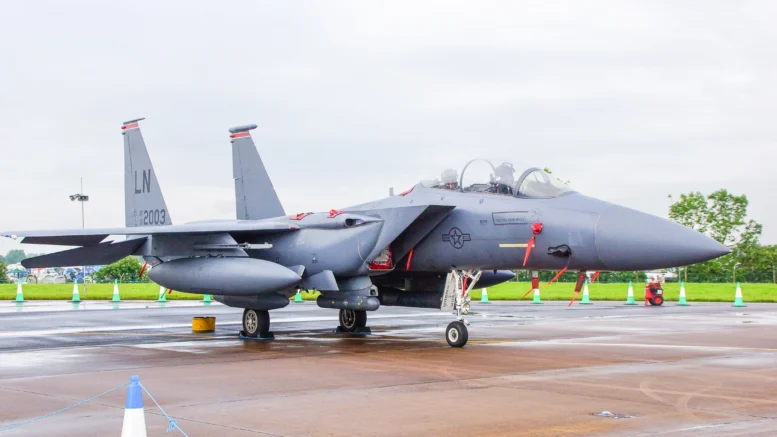
Aviation News – An Iranian missile strike on Muwaffaq Salti Air Base in Jordan damaged multiple U.S. military aircraft overnight between September 8 and 9, 2026, marking a significant escalation in regional conflict. The attack reportedly resulted in severe structural damage to one A-10 Thunderbolt II and lighter damage to approximately eight F-15 strike fighters.
According to sources familiar with the matter who spoke to CBS News, the strike was launched as part of a series of retaliatory actions by Tehran. The incident followed direct U.S. military strikes against five Iranian oil tankers earlier in the week. The strategic installation near Azraq, Jordan, serves as a key operational hub for U.S. Air Force deployments throughout the Middle East.
The attack underscores the increasing vulnerability of forward-deployed forces facing persistent ballistic missile threats. Despite active air defense systems operating during the assault, several incoming warheads penetrated defensive perimeters to strike static aircraft assets on the ground.
Among the damaged fleet, the A-10 Thunderbolt II—popularly known as the “Warthog”—reportedly lost an entire wing during the explosion. Meanwhile, the eight F-15 fighters sustained minor shrapnel and blast damage, allowing maintenance crews to rapidly inspect and return them to operational service.
“The safety of our personnel and maintaining combat readiness across our regional installations remains the top military priority,” stated a defense official regarding ongoing force protection assessments following the strike.
This direct hit on grounded military hardware highlights the urgent need for reinforced aircraft shelters and enhanced air defense integration across coalition bases in the region. As regional tensions mount, military planners face heightened pressure to adapt force disposition strategies against sophisticated long-range strike capabilities.
The strike against Muwaffaq Salti Air Base represents a critical test for U.S. and allied forces maintaining regional air posture. While the swift restoration of the F-15 fighters limits the immediate impact on operational capacity, repairing or replacing heavy ground assets like the A-10 presents distinct logistical challenges. Moving forward, coalition commanders will likely focus on hardening base infrastructure and adjusting defensive protocols to counter future missile threats.