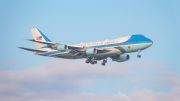
Aviation News – Boeing confirmed on Sunday that it remains on track to deliver two next-generation Air Force One presidential jets by 2028. However, securing this timeline demands immediate additional spending on a program already burdened by extensive delays and heavy financial overruns.
The aerospace giant originally secured a $3.9 billion contract from the U.S. government in 2018 to engineer and construct the highly specialized aircraft. Since the initial agreement, production complexities and design changes have caused total program expenses to balloon to more than $5 billion.
This fleet modernization aims to replace the aging, heavily modified Boeing 747-200B aircraft that currently serve the President of the United States. The active presidential fleet first entered operational service in 1990, highlighting an urgent need for technological and structural upgrades.
The new highly customized VC-25B aircraft will introduce advanced military avionics, secure communication systems, and enhanced self-defense capabilities to protect the commander-in-chief. These operational upgrades ensure the aircraft serves as a fully functional airborne command center during national emergencies, though integrating these complex technical systems has driven the severe budget overruns.
“We remain deeply committed to delivering these critical national assets and are working closely with our government partners to navigate the remaining milestones,” stated a Boeing spokesperson regarding the program’s financial adjustment.
Looking ahead, the successful deployment of these jets in 2028 will reshape the future of presidential transport and reaffirm American aerospace capabilities. Stakeholders must now closely monitor Boeing’s financial discipline to ensure no further tax dollars are consumed before the final delivery.
The upcoming 2028 delivery date represents a pivotal milestone for both the U.S. military and Boeing as they retire the decades-old presidential fleet. While the financial burden highlights the extreme complexity of defense contracting, completing the project remains an absolute necessity for national security. Ultimately, these advanced airborne command centers will safeguard the presidency for decades to come.