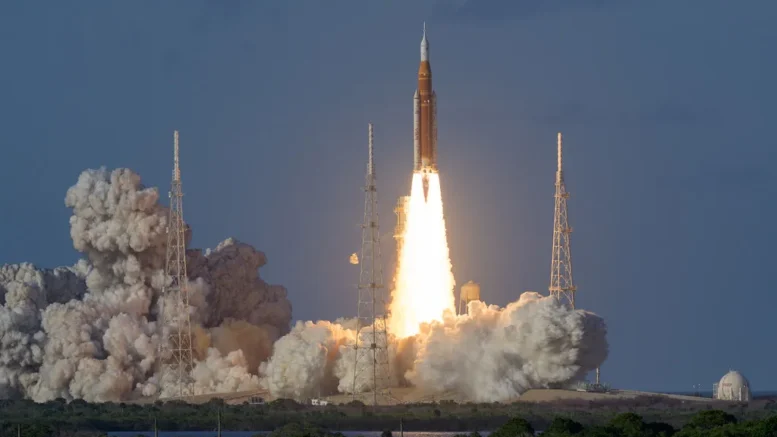
Aviation News – SpaceX Accelerates Starship Launch Pace with Ambitious New Texas Natural Gas Pipeline Project
SpaceX is moving forward with aggressive plans to construct an eight-mile natural gas pipeline to directly supply its sprawling Starbase launch facilities in Texas. The new infrastructure project represents a critical operational pivot aimed at massively ramping up the launch frequency of the company’s next-generation Starship moon rocket.
The dedicated conduit, officially named Starpipe, marks a massive evolution in how the private aerospace giant secures and processes its propellant. Lone Star Mineral Development, an affiliate of SpaceX, formally filed the engineering and routing proposals with the Texas Railroad Commission. Construction on the utility corridor is scheduled to begin as early as next month, with county records indicating a hard target to have the energy line fully in service by January 26.
This infrastructure push is deeply intertwined with Elon Musk’s overarching strategy to scale up operations from the remote Texas company town. To sustain the massive fuel demands of the Starship platform, the aerospace company has quietly consolidated its footprint in the region, signing over 100 oil and gas leases with local landowners. The pipeline route originates on a strategic 83-acre tract at the Port of Brownsville, a location SpaceX is currently negotiating to secure via a 50-year lease agreement.
The infrastructure upgrade aims to resolve a critical logistical bottleneck by replacing a slow supply chain with continuous on-site refining. Currently, the 40-story Starship rocket requires a staggering 630,000 gallons of liquid methane per flight, which requires hundreds of individual tanker trucks to transport fuel over several hours. The new pipeline system will transport raw gas directly to a specialized liquefaction facility planned at Starbase, converting natural gas into cryogenic liquid methane on-site to drastically reduce pad turnaround times.