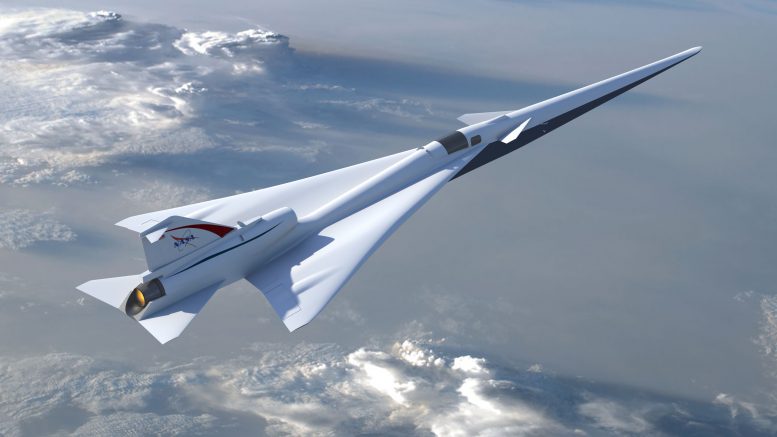
Aviation News – The U.S. House of Representatives has passed the Supersonic Aviation Modernization Act, a landmark bill that could end a decades-long ban on civil aircraft flying faster than the speed of sound over the United States. If enacted, this legislation would authorize the FAA to allow supersonic operations provided they do not produce a detectable sonic boom on the ground.
The bill, known as H.R. 3410, requires the FAA to update federal regulations within one year to permit these high-speed flights without the need for individual special authorizations. This move seeks to modernize rules dating back to 1973 that have historically prohibited civil supersonic flight over land due to noise concerns. By shifting the focus from speed limits to actual noise impact, the government aims to foster a new era of aerospace innovation.
In addition to operational permissions, the act mandates that the FAA establish final noise standards by April 1, 2027. Crucially, these new regulations must ensure that supersonic aircraft are no louder during takeoff and landing than the subsonic aircraft currently in service. This alignment with modern environmental standards is intended to make supersonic travel socially and ecologically viable for the 21st century.
The technical core of the legislation relies on “mach cut-off” flight and advanced aerodynamic design that prevents the shockwaves created at speeds above Mach 1 from reaching the surface. By operating in a specific atmospheric window or utilizing low-boom technology, manufacturers can significantly reduce travel times between major cities while maintaining the peace of communities below the flight path.