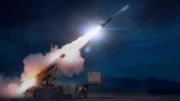
AviationNews –iu888888888 In a major expansion of defense manufacturing capacity, Lockheed Martin has reached a new framework agreement with the Department of War to significantly accelerate the production of its next-generation Precision Strike Missile (PrSM). This strategic initiative, building on a substantial previous U.S. Army contract, is set to quadruple the output of this pivotal long-range weapon system, ensuring American military superiority against evolving global threats.
Details & context (second paragraph): This latest commitment follows a massive $4.94 billion contract award from the U.S. Army last year, further solidifying the PrSM’s role in future defense strategies. The agreement with the Department of War not only facilitates this immediate and dramatic surge in production but also includes provisions to negotiate a multi-year contract for up to seven years. Such a long-term commitment, however, remains contingent upon the necessary congressional authorization in future budgets, a critical step that would provide sustained funding and stability for the production line and workforce expansion required for this massive scale-up.
Operational/technical highlights (third paragraph): The PrSM represents a significant leap forward in deep-strike capability, meticulously designed to replace the aging Army Tactical Missile System (ATACMS). It achieves this through a combination of extended range and dramatically improved lethality, making it a more versatile and effective asset on the modern battlefield. The system’s advanced design benefits significantly from mission integration and cutting-edge digital engineering techniques, streamlined collaborations between industry partners and government agencies. Underscoring its rapid transition from development to deployment, the Army officially granted Milestone C approval for the PrSM in July 2025, signaling full readiness for large-scale production and widespread operational use. The PrSM has already demonstrated its real-world impact, with U.S. Central Command confirming its combat debut in early March during Operation Epic Fury, a successful operational deployment that validated its performance under fire.
Quote (fourth paragraph): “Lockheed Martin delivers the advanced precision fires capabilities the warfighter needs, including the Precision Strike Missile (PrSM), which expands deep-strike capability,” stated Lockheed Martin Chairman, President and CEO Jim Taiclet. “We are working closely with the Department of War and the U.S. Army to scale production to meet operational demand and ensure the joint force has the capabilities needed to deter and defeat emerging threats.” This statement underscores the strategic importance of this rapid production increase and the collaborative effort behind it.
Future outlook & call-to-action (fifth paragraph): This unprecedented quadrupling of PrSM production capacity is a clear signal of the intensifying focus on building a more resilient, lethal, and combat-ready military force. Looking ahead, this initiative, potentially backed by a multi-year contract, promises to create numerous high-paying, highly skilled jobs across the specialized defense aerospace sector, strengthening the national industrial base. The rapid scale-up and deployment of the PrSM are critical components of a broader strategy designed to secure peace and maintain a decisive military advantage for generations to come, adapting and overcoming any new or emerging threats.
Conclusion: By leveraging advanced technologies and mobilizing its extensive industrial power, Lockheed Martin is rapidly expanding the ‘Arsenal of Freedom’. This unprecedented missile production acceleration directly supports the vital national interest of maintaining a prepared and potent fighting force. The successful combat integration and now, mass production, of the PrSM mark a defining moment in modernizing U.S. military capabilities, with profound implications for future conflicts and strategic deterrence. The success of this endeavor will hinge on continued technological innovation and sustained, multi-year support from lawmakers.