Aviation News –
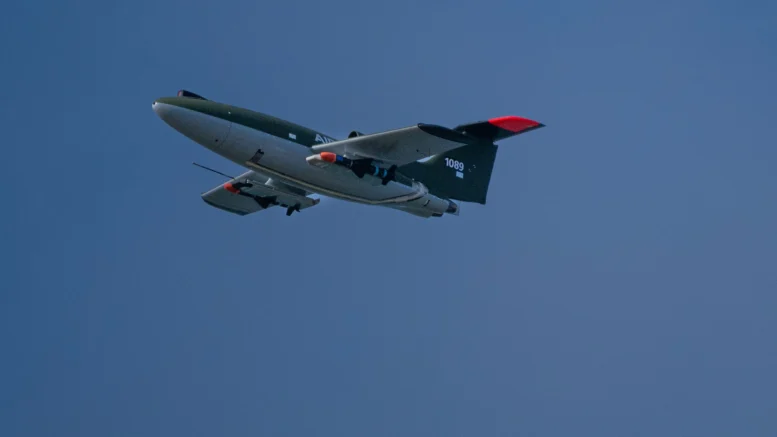
Airbus has successfully completed the first demonstration flight of its Bird of Prey interceptor drone, a reusable system designed to autonomously neutralize kamikaze drones in high-threat environments. The test, conducted at a military training area in northern Germany, marks a significant leap in autonomous aerial defense capabilities.
The project reached this milestone just nine months after its initial launch, showcasing an accelerated development timeline. Built upon a modified Airbus Do-DT25 airframe, the prototype was developed to address the rising global threat of one-way attack drones. During the simulation, the craft successfully searched for, detected, and classified a medium-sized target before engaging.
The demonstration involved a strategic partnership with Frankenburg Technologies, a defense tech start-up responsible for the drone’s primary armament. The Bird of Prey features a 2.5-meter wingspan and a maximum take-off weight of 160 kg. While the current prototype carried four missiles, the final operational version is expected to double that capacity to enhance mission endurance.
Technically, the system relies on the Mark I air-to-air missile, which is currently the lightest guided interceptor ever developed, weighing less than 2 kg. These high-subsonic, fire-and-forget missiles use a fragmentation warhead to destroy targets within a 1.5-kilometer range. This setup allows the reusable carrier drone to neutralize multiple threats in a single flight at a significantly low cost per kill.
“This successful demonstration proves that we can deliver highly effective, autonomous solutions to counter modern aerial threats in a fraction of the traditional development time,” noted a project spokesperson regarding the collaboration with Frankenburg Technologies.
The successful flight paves the way for a new era of reusable drone interceptors that can protect critical infrastructure and military assets. As the technology matures, the focus will shift toward integrating these systems into broader integrated air defense networks to counter swarming tactics.
The Bird of Prey represents a cost-effective shift in modern warfare, prioritizing reusability and precision. By utilizing lightweight Mark I missiles, Airbus provides a scalable solution to the growing prevalence of low-cost aerial threats. Future iterations will likely see increased payload capacities and further refined autonomous detection logic.

