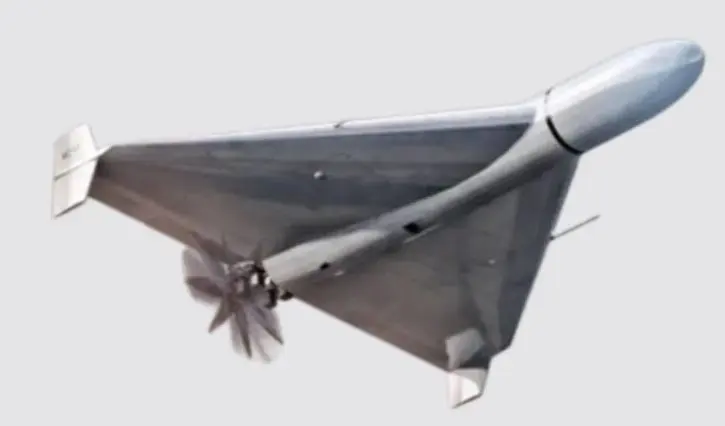
AviationNews – Russian forces have launched a sophisticated drone assault on Odesa, utilizing a modernized version of the Garpiya-A1 kamikaze drone engineered to neutralize electronic warfare (EW) countermeasures. This technological escalation, identified following an attack on February 13, 2026, marks a significant shift in the reliability of satellite-guided munitions in contested airspace.
The latest modification was confirmed after Ukrainian analysts examined wreckage bearing a new “KK” series designation. Developed by the Izhevsk Electromechanical Plant “Kupol,” a subsidiary of Almaz-Antey, the Garpiya-A1 is a long-range strike platform that mirrors the Shahed design but integrates a high degree of international components. The mid-February strike targeted critical infrastructure in Odesa, including energy facilities and fertilizer warehouses, resulting in one fatality and substantial damage to port and railway assets.
The defining technical advancement of this variant is the transition to the Kometa-M16 Controlled Reception Pattern Antenna (CRPA). This 16-channel system replaces the older 12-channel M12 model, providing a dramatic increase in noise immunity. By utilizing a multi-element array, the drone can identify the direction of enemy jamming signals and “steer” its reception away from them, effectively filtering out interference. This ensures the drone maintains a lock on GLONASS and GPS signals even when subjected to intense radio-electronic suppression that would blind standard navigation systems.
“The incorporation of the 16-element Kometa-M16 allows these vectors to maintain precision under conditions that previously rendered them ineffective,” noted a specialist from the Colonel GSh analysis group. “It represents a persistent effort to outpace the defensive ‘electronic domes’ protecting our critical infrastructure.”
This development suggests a future of “intelligent” attrition, where the success of a strike depends less on the number of drones and more on the sophistication of their anti-jamming hardware. As Russia continues to integrate more complex, multi-channel antennas across its UAV fleet, the pressure shifts to defense manufacturers to develop even more advanced frequency-hopping or kinetic interception methods.
The Odesa strike serves as a stark reminder of the rapid evolution in autonomous weaponry. As electronic warfare landscapes become more saturated, the arrival of the “KK” series Garpiya-A1 signals that the race for electromagnetic dominance is entering a more lethal and resilient phase.