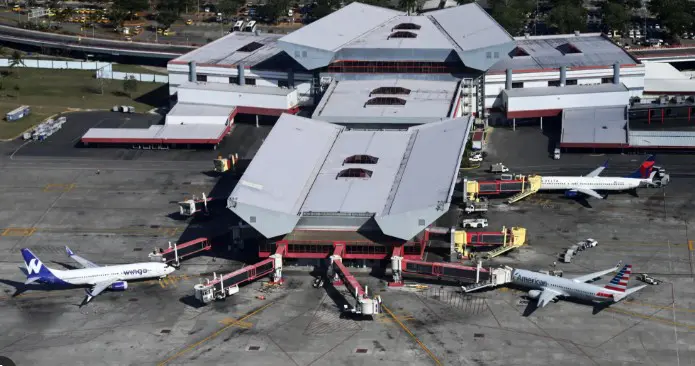
AviationNews – The Cuban government has issued an urgent warning to international airlines, stating that the nation’s aviation fuel reserves will be completely exhausted within 24 hours. This critical shortage, which takes effect on February 10, 2026, threatens to paralyze air travel to the island and further isolate the country amid a deepening energy crisis.
The fuel collapse follows a series of aggressive geopolitical shifts, most notably the U.S. military operation on January 3, 2026, which resulted in the removal of Venezuelan President Nicolás Maduro, severing Cuba’s primary subsidized oil supply. Compounding the crisis, U.S. President Donald Trump signed an Executive Order on January 29, 2026, declaring a national emergency and threatening heavy import tariffs on any nation—such as Mexico or Russia—that continues to export oil to the island.
Technically, the shortage is primarily focused on Jet A-1 kerosene, the lifeblood of modern turbine engines. An official NOTAM (Notice to Air Missions) has been issued for all nine of Cuba’s international airports, including José Martí International in Havana and Juan Gualberto Gómez in Varadero, indicating that refueling services will be unavailable until at least March 11, 2026. International carriers like Iberia, Air France, and Air Canada must now resort to “tankering“—carrying enough fuel for a return trip—or schedule technical refueling stops in neighboring countries, which significantly increases operational costs and reduces passenger capacity.
“The country is facing an imminent threat to its fuel reserves, which could be entirely depleted by the end of Monday,” the Cuban government stated via the EFE news agency, attributing the situation to “U.S. aggression” and a blockade on energy imports. An anonymous European airline official noted that while flights may continue with logistical adjustments, the operational uncertainty will likely last for at least a month.
Looking forward, the exhaustion of jet fuel is expected to deal a devastating blow to Cuba’s tourism sector, a vital source of hard currency. Travelers are advised to check flight statuses immediately, as several carriers have already begun making their booking policies more flexible or reducing service frequencies in anticipation of a prolonged refueling ban.
In summary, Cuba’s aviation sector has reached a breaking point due to the loss of Venezuelan oil and new U.S. tariff threats. Without a rapid diplomatic resolution or a new energy supplier willing to risk American sanctions, the island faces a month-long blackout of refueling capabilities that could reshape Caribbean air traffic.