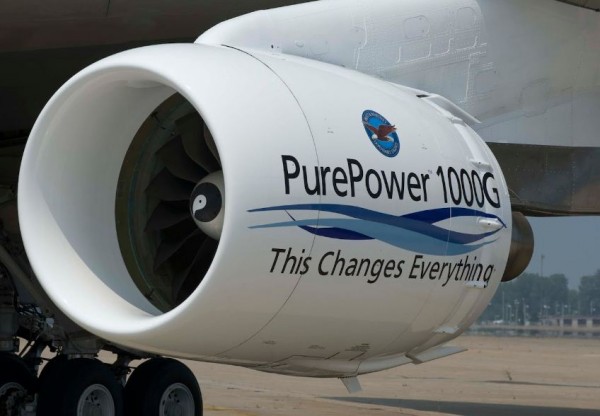
Aviation News – The Federal Aviation Administration (FAA) has issued a new airworthiness directive requiring airlines to modify fuel system components on Pratt & Whitney PW1100G engines after multiple safety incidents. The order affects 586 engines powering the Airbus A320neo family, underscoring renewed scrutiny of geared turbofan reliability.
The directive follows several fan-blade fracture events that led to three under-cowl fires, prompting regulators to mandate corrective action. Pratt & Whitney, Airbus, and global A320neo operators are involved in implementing the required changes, as the FAA moves to reduce the risk of further in-flight or ground incidents linked to the engine type.
The mandated modifications focus on changes to fuel system components designed to limit fire propagation in the event of a fan-blade failure. By improving containment and fuel isolation, the updates aim to enhance operational safety while allowing affected aircraft to remain in service once compliance is achieved, rather than facing broader grounding measures.
In a statement addressing the directive, a Pratt & Whitney spokesperson said the company is “working closely with the FAA and our airline customers to implement these enhancements, which are intended to further strengthen the safety margins of the PW1100G fleet.”
Looking ahead, the directive is expected to influence maintenance planning and engine availability across A320neo operators worldwide. It also adds pressure on Pratt & Whitney to accelerate durability improvements across its GTF engine family as airlines seek greater operational stability.
The FAA’s action highlights the regulator’s focus on proactive risk mitigation while keeping the global narrowbody fleet flying. For airlines, compliance will be essential to maintaining schedules and passenger confidence, while the episode reinforces the importance of continuous design refinement in next-generation aircraft engines.